

Summary: The Kano State Censorship Board has officially banned after-party celebrations and “hot challenge” activities at weddings and social events. Here’s everything you need to know about the new directive.
If you’ve attended a wedding in Kano recently, you already know how the vibes can shift dramatically once the “after-party” announcement drops. But those days may now be firmly behind us — at least officially.
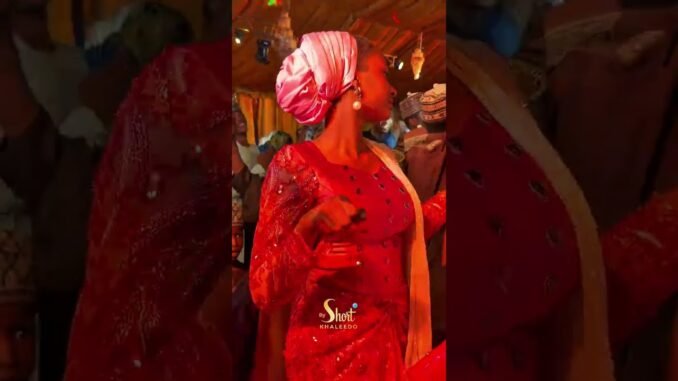
The Kano State Censorship Board* has announced the *immediate suspension of after-party gatherings and the wildly popular “hot challenge” activities at wedding ceremonies and other social events held at event centres across the state. The directive has sparked conversations from Bompai to Bayero, and Nigerians across the country are weighing in.
—
What Exactly Did Kano Ban?
The Censorship Board’s directive specifically targets two things:
– After-party events — those late-night extensions of wedding celebrations that often feature loud music, dancing, and activities considered incompatible with the state’s cultural and religious values.
– “Hot challenge” activities — a trending phenomenon at Nigerian weddings where guests, typically young people, engage in suggestive dance competitions or physically daring stunts, often recorded and shared on social media.
The ban applies to event centres and public social gathering spaces* across Kano State and takes effect *immediately.
—
Why Is Kano Taking This Step?
This move is very much in line with Kano’s long-standing position as a state that takes its Islamic values and Northern cultural identity seriously. The Censorship Board has consistently monitored and regulated entertainment content within the state, from film production to public performances.
Authorities argue that these activities — particularly the “hot challenge” trend — promote indecency, moral recklessness, and behaviour that contradicts the values of the predominantly Muslim North. In a state where religion is not just personal faith but a guiding framework for public life, such a ban is less of a surprise and more of an expected line in the sand.
—
Reactions: What Are People Saying?
As expected, the directive has divided opinions sharply — and Nigerians never shy away from expressing themselves.
Those in support argue that weddings in Kano have increasingly become venues for behaviour that embarrasses families and disrespects the sanctity of marriage celebrations. Many older residents and religious leaders have reportedly welcomed the ban, saying it was long overdue.
Critics, however, are asking the hard questions: Who defines what is “hot”? Where does cultural expression end and moral policing begin? Some younger Kano residents feel the directive is overly broad and could be used to stifle harmless fun and creative expression at private celebrations.
One Twitter (X) user quipped: “So now even the couple can’t turn up at their own wedding? Kano no dey carry last sha.”
—
What Happens If You Violate the Ban?
While the full details of enforcement and penalties are still being awaited, event centre operators are expected to bear significant responsibility for ensuring compliance. This means your favourite event hall in Kano may now be declining bookings that include after-party components or may be setting new rules for what kind of entertainment is permissible on their premises.
Organisers who flout the directive risk sanctions from the Censorship Board, which has the authority to penalise venues and promoters operating outside approved guidelines.
—
Bigger Picture: Is This a Growing Trend?
Kano is not alone in this kind of regulation. Several Northern Nigerian states have, over the years, introduced measures to govern public entertainment in ways that align with Sharia principles and local customs. What makes this particular ban noteworthy is its specific targeting of wedding culture — an institution deeply embedded in Nigerian social life.
Weddings in Nigeria are not just ceremonies; they are statements of status, community, and identity. Any regulation touching weddings touches something deeply personal for millions of people.
—
Final Thoughts
Whether you support the Kano Censorship Board’s latest directive or think it goes too far, one thing is clear — the conversation around where tradition ends and personal freedom begins is far from over in Nigeria.
For now, if you’re planning a wedding in Kano, it’s time to have a serious conversation with your event planner. The after-party playlist and that “hot challenge” segment? You might want to rethink those.
Stay informed. Stay compliant. And as always — congratulations in advance to all the couples planning their big day!
For more information, check buzzUp9ja
Be the first to comment