
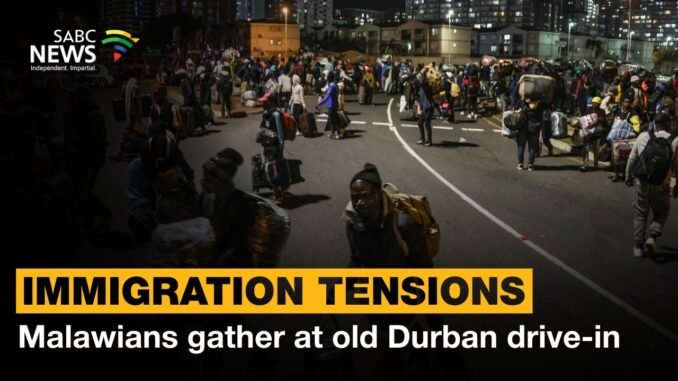

A deeply emotional scene unfolded at the Old Durban Drive-In site in South Africa, where a Malawian father was seen breaking down in tears. The site has been accommodating foreign nationals as part of ongoing repatriation arrangements, and his pain captured the heavy reality behind headlines and policy terms. It’s the kind of moment that reminds us: migration isn’t just about documents and borders—it’s about people, families, and futures.
Why This Hits Home for Nigerians
– Many Nigerians have stories of travel, hustle, and building new lives across the continent.
– We understand the weight of uncertainty—the phone calls to family back home, the prayers, the hope to make it through another day with dignity.
– When one African parent breaks down, it echoes across borders. It could be anyone’s father, uncle, or brother.
Beyond the Headlines: The Reality of Repatriation
Repatriation sounds orderly on paper, but for real people it often means:
– Sudden change and emotional shock
– Fear of the unknown back home
– Worry for children, spouses, and loved ones
– Navigating temporary shelters, long waits, and limited information
At the Old Durban Drive-In, foreign nationals have been accommodated while arrangements are made. In the middle of that process, a father’s tears spoke louder than any official statement.
What Solidarity Looks Like
– Check on friends and relatives in South Africa and across the region; a simple “How are you holding up?” can go a long way.
– Support trusted community groups, faith centers, and NGOs that provide essentials like food, transport assistance, and counseling.
– Share verified information only. Rumors spread fast and can make a hard situation even worse.
– Encourage those affected to reach out to their country’s consular services and keep key documents safe and accessible.
If You’re Affected or Supporting Someone Who Is
– Keep your ID and travel documents together and backed up digitally if possible.
– Stay connected to community leaders or support groups at accommodation sites.
– Prioritize mental health: speak to someone you trust, pray, journal, or take quiet moments when you can.
– Note down helplines, consular contacts, and any instructions given by officials.
A Call to Our Shared Humanity
From Lagos to Lilongwe, Durban to Abuja—our destinies are intertwined. The tears of that Malawian father are a mirror, asking us to respond with empathy, not apathy. Let’s choose compassion, amplify reliable information, and stand with those navigating the hardest transitions of their lives.
Because tomorrow, it could be our own—our friend, our neighbor, our family. And when that day comes, may we find the same love and support we offered today.
For more information, check buzzUp9ja
Be the first to comment