
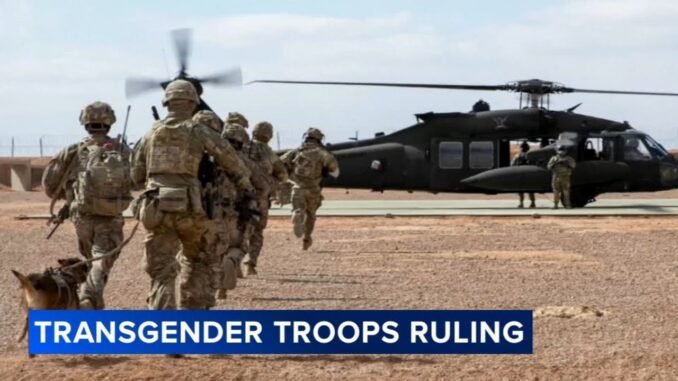

A federal appeals court has issued a mixed ruling on the Trump administration’s controversial military transgender policy, preventing the discharge of currently serving personnel while allowing enlistment restrictions to continue.
In a significant legal development that has captured international attention, a United States appeals court delivered a split decision on Monday regarding the military service of transgender individuals under the Trump administration.
The court ruling represents a partial victory for transgender rights advocates while simultaneously allowing certain restrictions to remain in place. According to the decision, the administration may temporarily continue its policy preventing transgender individuals from enlisting in the US military. However, the court firmly blocked any attempts to remove transgender service members who are already actively serving in the armed forces.
What This Means for Transgender Military Personnel
The ruling creates a two-tier system: while new transgender recruits face barriers to joining the military, those already in uniform receive protection from discharge based solely on their gender identity. This distinction has become a critical point in the ongoing legal battle over inclusion and discrimination within America’s armed forces.
The Broader Context
This decision comes amid wider global conversations about inclusion, diversity, and human rights in both civilian and military institutions. For many Nigerians following international human rights developments, this case highlights the ongoing struggles faced by LGBTQ+ communities worldwide, even in countries often viewed as progressive on such matters.
The legal battle continues to unfold in American courts, with advocacy groups and government officials preparing for potential further appeals. The case underscores the complex intersection of military policy, executive authority, and constitutional rights protections in the United States.
As this situation develops, it serves as a reminder of the ongoing debates around equality, discrimination, and the rights of marginalized communities across the globe.
Visit buzzUp9ja for more details
Be the first to comment