
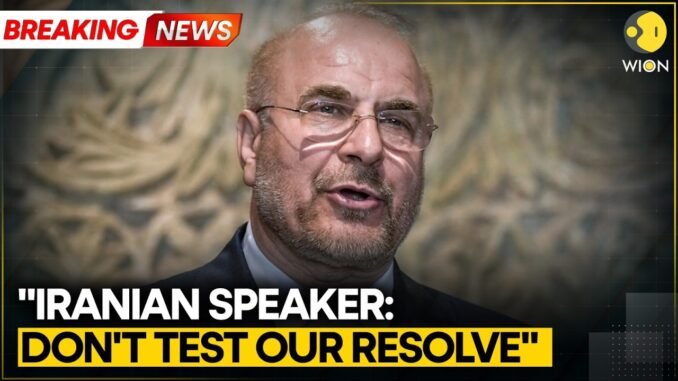

Summary: As thousands of American troops deploy to the Middle East, reports suggest Pentagon contingency plans for potential ground operations in Iran amid escalating regional tensions.
The situation in the Persian Gulf is heating up significantly as the United States Pentagon prepares what military sources describe as “contingency plans” for possible ground operations inside Iran. This development comes as thousands of additional American troops, including elite Marine units, arrive in the Middle East region.
What’s Happening Right Now?
According to multiple defence sources, the Pentagon has been working on detailed backup plans that would involve American boots on the ground in Iran if the current crisis escalates beyond control. This is not just talk—real military hardware and personnel are already moving into position.
The deployment includes Marine Expeditionary Units, which are typically deployed when serious military action is being considered. These are not peacekeeping forces; these are combat-ready troops equipped for full-scale operations.
Why Should Nigerians Care?
For those of us watching from Nigeria, this might seem like “oyibo people wahala” happening far away, but the reality is quite different. Any major conflict in the Gulf region directly affects us in several ways:
Oil Prices Will Skyrocket: Iran controls the Strait of Hormuz, through which about 21% of global oil passes daily. If this route is blocked or conflict erupts, fuel prices in Nigeria—already a sensitive issue—will jump dramatically. Remember how we suffered during previous Middle East conflicts? This could be worse.
Economic Ripple Effects: Higher oil prices mean higher costs for everything—transport, food, goods. Our already stressed economy will face additional pressure, and the exchange rate could worsen further.
Global Instability: Nigeria is increasingly connected to the global economy. When major powers go to war, the financial shockwaves affect even African markets, investments, and trade relationships.
The Bigger Picture
This military buildup follows months of increasing tension between Washington and Tehran. The two countries have been in a dangerous game of brinkmanship, with accusations flying from both sides and several incidents in the Gulf that nearly triggered direct confrontation.
The deployment of ground forces represents a significant escalation in US military posture. While American officials insist these are merely “precautionary measures,” history has shown that when troops arrive in such numbers, the possibility of actual conflict increases dramatically.
Regional Implications
Saudi Arabia, UAE, and other Gulf states—all major oil producers and trading partners with various African nations—are watching nervously. These countries host American military bases and would likely be involved in any conflict, either as staging grounds or potential targets for Iranian retaliation.
Iran has repeatedly warned that any attack on its territory would result in a “crushing response” that would set the entire region ablaze. With their sophisticated missile capabilities and regional proxy forces, this is not an empty threat.
What Military Experts Are Saying
Defence analysts describe the current situation as one of the most dangerous standoffs in the Gulf since the Iraq War. The presence of Marines—specifically trained for rapid deployment and offensive operations—suggests that contingency planning has moved beyond just airstrikes to include ground invasion scenarios.
However, experts also point out that planning for contingencies is standard military procedure. The Pentagon maintains invasion plans for numerous countries as part of routine preparedness, even when actual conflict is unlikely.
The Nigerian Angle
Our government should be paying close attention and preparing for potential economic fallout. The Petroleum Ministry needs contingency plans for supply disruptions, while the Central Bank should prepare for currency pressures.
For ordinary Nigerians, this is a reminder of how interconnected our world has become. What happens in the Persian Gulf doesn’t stay in the Persian Gulf—it affects the price of petrol at your local filling station, the cost of that bus to work, and ultimately, your household budget.
What Happens Next?
The situation remains fluid. Diplomatic channels are still open, and many international actors are working to prevent escalation. However, with military forces building up, the risk of miscalculation or accidental conflict increases significantly.
Both Iran and the United States have domestic political pressures that could push their leaders toward confrontation rather than compromise. This makes the current situation particularly unpredictable and dangerous.
Bottom Line
While we hope and pray that wisdom prevails and this crisis is resolved peacefully, Nigerians should be prepared for potential economic impacts. The days ahead will be critical in determining whether this remains a war of words or escalates into actual conflict.
One thing is certain: in our globalized world, no conflict is truly “far away” anymore. What happens in the Gulf matters here in Lagos, Abuja, Port Harcourt, and every corner of Nigeria.
Stay informed, stay prepared, and let’s hope cooler heads prevail in Washington and Tehran.
This is a developing story. We will continue to monitor the situation and update as new information becomes available. on buzzUp9ja
Be the first to comment