

Summary: Donald Trump threatens to jail journalist over report revealing missing Air Force officer from downed fighter jet, sparking fresh press freedom concerns with global implications.
In a move that has sparked fresh concerns about press freedom, former U.S. President Donald Trump has issued a threat to jail a journalist who broke the news that a second U.S. Air Force officer from a downed fighter jet was missing. The threat appears to be part of a broader effort to identify and punish the source who leaked this sensitive military information.
The Controversy Unfolds
The incident centers around a report revealing that a second Air Force officer remained unaccounted for following a fighter jet crash. While military accidents are typically handled with utmost discretion, especially when personnel are missing, the information made its way to the press—a development that has clearly angered Trump.
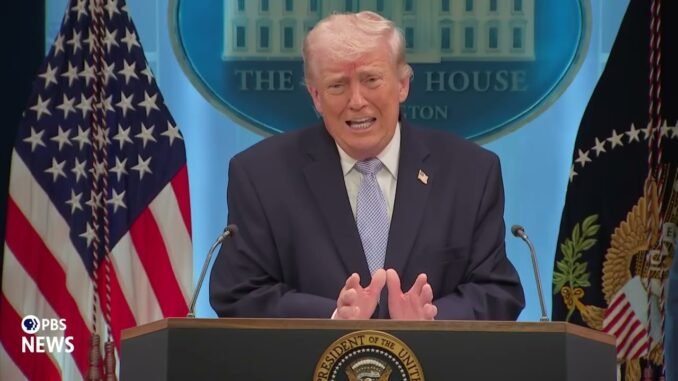
During a public address, Trump expressed his intention to pursue legal action against the reporter responsible for publishing the story. His stated goal is not just to penalize the journalist but to trace back to the original source within the military or government who provided the information.
Press Freedom Under Scrutiny
This threat has reignited debates about the delicate balance between national security and the public’s right to know. In Nigeria, where press freedom remains a contested issue, this development resonates deeply. Nigerian journalists have faced similar pressures when reporting on sensitive security matters, from military operations in the Northeast to government dealings.
The question many are asking is: where should the line be drawn? When does reporting on missing military personnel cross from public interest journalism into a threat to national security?
Implications for Media Freedom
Trump’s threat raises serious concerns among press freedom advocates worldwide. Threatening journalists with imprisonment for doing their job sets a dangerous precedent that could embolden leaders in other countries—including on the African continent—to crack down on media houses that publish unfavorable or sensitive stories.
For Nigerian observers, the situation serves as a reminder of the ongoing struggles journalists face globally when holding power to account. From Lagos to Washington, the principle remains the same: a free press is essential to democracy, even when the stories they tell are uncomfortable for those in power.
What Happens Next?
As this story continues to develop, many will be watching to see whether Trump follows through on his threat or if this is merely political posturing. The outcome could have lasting implications for how sensitive military information is handled and reported in the United States—and potentially influence press freedom conversations worldwide.
For now, the missing Air Force officer’s status remains the human story at the heart of this controversy, even as it becomes entangled in larger debates about power, secrecy, and the role of journalism in modern society.
Check buzzUp9ja for more updates
Be the first to comment