
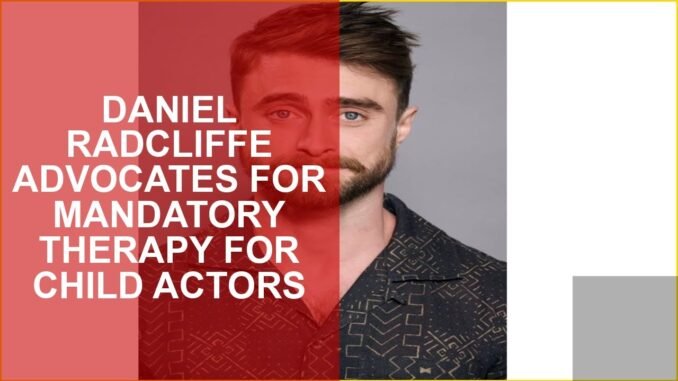

The Harry Potter star opens up about mental health struggles young performers face, calling for mandatory professional support in the industry
Daniel Radcliffe, the British actor who brought the beloved wizard Harry Potter to life on screen, has made a powerful statement about child stardom that resonates far beyond Hollywood. In a candid interview, Radcliffe argued that therapy for young actors shouldn’t just be optional—it should be mandatory.
For many Nigerians who grew up watching the Harry Potter films, Radcliffe’s words carry significant weight. The actor, who spent his formative years in the global spotlight, understands firsthand the unique pressures that come with childhood fame—pressures that are increasingly relevant in Nigeria’s growing entertainment industry, where child stars in Nollywood and music are becoming more common.
The Hidden Struggles Behind the Spotlight
Speaking on “One Nightstand With Daniel Radcliffe,” a programme published by Bustle, the actor revealed that his perspective is shaped partly by a heartbreaking personal experience. He referenced a fellow child actor who tragically died by suicide, someone who felt unable to express their struggles because the world assumed they “had everything”—fame, money, and success.
“The common belief that young actors are living a dream life can be deeply misleading,” Radcliffe explained. This observation hits particularly close to home in Nigeria, where the entertainment industry often celebrates the glitz and glamour while ignoring the mental toll it takes on young performers.
From child stars in Nollywood who grow up on set to teenage musicians thrust into the limelight, many young Nigerian entertainers face similar pressures. The expectation to always appear grateful, successful, and happy can prevent them from seeking the help they need.
Why Mandatory Therapy Matters
Radcliffe’s call for mandatory therapy isn’t about assuming every child actor is struggling. Instead, it’s about proactive mental health care—providing support before problems become crises.
During the interview, host Charlotte Owen pointed out that therapy benefits even those who seem to be doing well, helping them maintain mental wellness before issues arise. Radcliffe agreed wholeheartedly, stating that “the best time to start therapy is before someone even believes they need it.”
This preventive approach to mental health is particularly important in Nigeria, where conversations about therapy and counselling are still breaking through cultural barriers. While attitudes are changing, especially among younger Nigerians, there remains a stigma around seeking mental health support.
Lessons from His Own Journey
Reflecting on his early career, Radcliffe acknowledged that when he started acting in the early 2000s in the United Kingdom, mental health resources weren’t widely emphasized in the entertainment industry. However, he credited his positive experience to being “surrounded by supportive people” during his time filming the Harry Potter series.
This support system made all the difference—and it’s a lesson that Nigeria’s entertainment industry should take seriously. As Nollywood continues to grow and compete on the global stage, protecting young talent should be just as important as developing it.
What This Means for Nigeria’s Entertainment Industry
Nigeria’s film and music industries have produced remarkable young talents over the years. From child actors who’ve graced our screens to teenage musicians topping charts, these young stars deserve protection and support.
Radcliffe’s advocacy raises important questions:
– Should Nigerian production companies and record labels provide mental health support for young performers?
– How can parents and guardians better protect children in entertainment while allowing them to pursue their dreams?
– What role should regulatory bodies like the Censors Board play in ensuring the wellbeing of child actors?
The conversation around mental health is gaining momentum in Nigeria, with more people recognising that success, fame, and money don’t automatically equal happiness or mental wellness. Radcliffe’s message reinforces this truth.
Breaking the Silence
One of the most powerful points Radcliffe made was about the isolation young stars can feel. When the world assumes you have everything, admitting you’re struggling becomes almost impossible. This “suffering in silence” phenomenon affects people across all walks of life in Nigeria, not just entertainers.
Whether it’s the pressure to meet family expectations, maintain a certain image on social media, or simply cope with the challenges of growing up in a fast-paced world, young people everywhere need safe spaces to express their feelings and receive professional support.
Moving Forward
As Nigeria’s entertainment industry continues to evolve and produce world-class talent, Daniel Radcliffe’s words should serve as a wake-up call. Protecting the mental health of young performers isn’t just compassionate—it’s essential for building a sustainable, healthy industry.
The conversation about mandatory therapy for child actors may have started in Hollywood, but its relevance extends to Nollywood, the Nigerian music industry, and beyond. It’s time for stakeholders—producers, directors, parents, and policymakers—to prioritise the mental wellbeing of young talents just as much as their commercial success.
After all, as Radcliffe’s advocacy shows, true success isn’t just about box office numbers or chart positions. It’s about ensuring that young people can pursue their dreams without sacrificing their mental health in the process.
What do you think about mandatory therapy for child actors? Should Nigeria’s entertainment industry adopt similar measures? Share your thoughts in the comments below.
For more information, check buzzUp9ja
Be the first to comment