
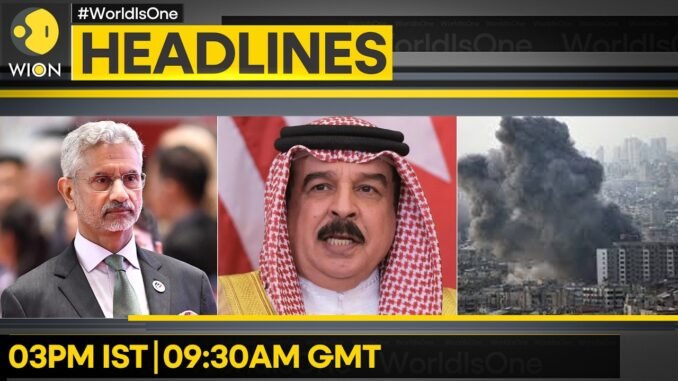

Summary: Qatar authorities detain over 300 individuals for sharing footage and “misleading information” about recent Iranian missile strikes, as Gulf nations crack down on social media posts amid rising regional tensions.
The Qatari government has arrested 313 people for sharing videos and what they termed “misleading information” related to recent Iranian missile attacks, according to an official statement from the country’s Ministry of Interior.
The mass arrests highlight the growing concern among Gulf nations about information control during times of heightened security threats, as Iran continues to launch drone and missile strikes targeting critical infrastructure across the region.
What Led to the Arrests?
According to Qatar’s Interior Ministry, those detained were involved in filming and circulating video clips that showed the effects of Iranian attacks. Officials accused them of “publishing misleading information and rumours that could stir public opinion.”
The suspects, who come from various nationalities, were apprehended by the General Directorate of Criminal Investigations through its Department for Combating Economic and Cyber Crimes. This specialized unit has been at the forefront of monitoring online activities related to the security situation.
The Iranian strikes have targeted multiple locations including airports, military installations, energy facilities, and even residential areas, creating widespread anxiety across the Gulf region.
Similar Crackdowns Across the Gulf
Qatar is not alone in taking strict measures against citizens sharing information about the attacks on social media.
In Bahrain, authorities arrested four individuals for “filming and broadcasting clips about the effects of Iranian attacks and spreading false news.”
Kuwait has also taken action, detaining three people after a video emerged showing them mocking the country’s security situation – a move that officials deemed insensitive and potentially destabilizing.
The United Arab Emirates (UAE) has adopted a proactive approach by sending text messages to residents warning them that sharing sensitive images or reposting unverified information about attacks could result in legal consequences. The UAE Attorney General’s Office specifically cautioned against filming or sharing footage of attack sites or damage caused by falling missiles and debris, according to the Emirates News Agency.
Saudi Arabia has issued similar warnings to its population, emphasizing the legal risks associated with sharing unauthorized content related to the security situation.
The Social Media Dilemma
Despite these stringent restrictions and the threat of arrest, images and videos showing missiles, drones, and the impact of the ongoing conflict continue to spread rapidly across social media platforms and messaging apps like WhatsApp, Telegram, and Twitter (X).
This presents a significant challenge for Gulf authorities who are attempting to control the narrative while millions of smartphone users in the region have the ability to document and share events in real-time.
What This Means for Residents
For Nigerians and other foreign nationals living and working in Qatar and other Gulf countries, these developments serve as a serious warning. The arrests demonstrate that authorities are actively monitoring social media activity and are willing to take decisive action against those who share content deemed problematic.
Legal experts advise extreme caution when posting about security-related matters in the Gulf region. What might seem like innocent information-sharing or news updates could be interpreted by authorities as spreading rumours or endangering public order.
Regional Tensions on the Rise
The crackdown on information sharing comes against a backdrop of escalating tensions between Iran and Gulf Arab states. The missile and drone attacks represent a serious threat to the stability and security of the region, which is home to millions of expatriate workers, including a significant Nigerian diaspora community.
As the situation continues to develop, residents across the Gulf are being urged to rely only on official sources for information and to think twice before hitting the share button on sensitive content.
For now, the message from Gulf authorities is clear: in times of crisis, sharing is not always caring – especially when it comes to security-related information.
Check buzzUp9ja for latest update
Be the first to comment