
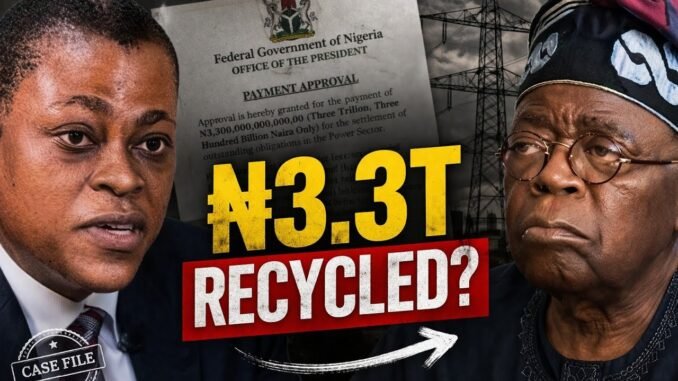

Summary: The Presidency has finally addressed concerns about the controversial ₦3.3 trillion debt settlement approved by President Tinubu for power generation companies. Here’s what it means for ordinary Nigerians.
The Nigerian Presidency has stepped forward to clarify the growing controversy surrounding President Bola Ahmed Tinubu’s approval of a ₦3.3 trillion debt settlement plan for power generation companies (GenCos) operating across the country.
Understanding the Debt Settlement Plan
For weeks, Nigerians have been asking questions about this massive financial commitment. Social media has been buzzing with concerns about whether this is another case of using taxpayers’ money to bail out private companies while ordinary citizens continue to suffer in darkness.
According to the Presidency’s clarification, this debt settlement initiative is a structured plan designed to address the longstanding financial challenges that have crippled Nigeria’s power sector for years. The government insists this is not a blanket bailout but rather a strategic intervention to stabilize the electricity supply chain.
Why This Matters to Every Nigerian
Let’s face it – power supply remains one of the most frustrating issues for Nigerians, from the hustler in Oshodi to the business owner in Aba, from students in Nsukka to traders in Kano. We’ve all felt the pain of estimated billing, collapsed national grid, and the constant hum of generators that drain our pockets.
The GenCos have long complained about liquidity problems stemming from unpaid bills by electricity distribution companies (DisCos) and government ministries, departments, and agencies (MDAs). This debt chain has created a vicious cycle where GenCos cannot maintain their equipment, leading to reduced power generation and even more frustration for consumers.
The Government’s Position
The Presidency emphasized that the ₦3.3 trillion settlement plan is structured to ensure accountability and measurable improvements in power supply. This isn’t just about writing checks to the GenCos – it’s supposedly tied to performance metrics and concrete deliverables.
Government officials argue that without resolving these debts, the power sector cannot function optimally, no matter how much investment goes into transmission and distribution infrastructure. It’s like trying to build a house on a shaky foundation.
What Nigerians Are Saying
As expected, reactions have been mixed. Some economic analysts support the move, arguing that a functional power sector is critical to reviving Nigeria’s struggling economy. After all, how can businesses thrive when they spend millions on diesel monthly?
Others, however, are skeptical. Many Nigerians feel they’ve heard similar promises before. “We don pay light bill, we no see light. Now government wan settle GenCo debt with our money. We go see light this time?” one Lagos resident asked on social media, echoing the sentiments of millions.
The Bigger Picture
Nigeria’s power challenges didn’t start today. For decades, successive governments have promised to fix the sector, but the problems persist. From the privatization exercise under former President Goodluck Jonathan to various intervention funds and reform programs, Nigerians have seen it all – yet darkness remains our constant companion.
The question on everyone’s mind is simple: Will this ₦3.3 trillion settlement actually translate to improved power supply, or is it just another expensive experiment?
Looking Ahead
The Presidency has assured Nigerians that this settlement plan comes with strict monitoring and evaluation mechanisms. Time will tell if this massive financial commitment will finally bring the change we desperately need in the power sector.
For now, Nigerian homes and businesses will continue to watch, wait, and hope that this time, something different will happen. Because at the end of the day, what we need isn’t more explanations or clarifications – we need reliable electricity that allows businesses to grow, students to study at night, and families to live comfortably without the noise and expense of generators.
As this story develops, one thing is clear: the Tinubu administration has staked significant political capital on fixing the power sector. Nigerians will be watching closely to see if the lights finally stay on.
—
What do you think about this debt settlement plan? Will it solve Nigeria’s power problems, or is it another waste of resources? Share your thoughts in the comments below.
Check for more news on buzzUp9ja
Be the first to comment