
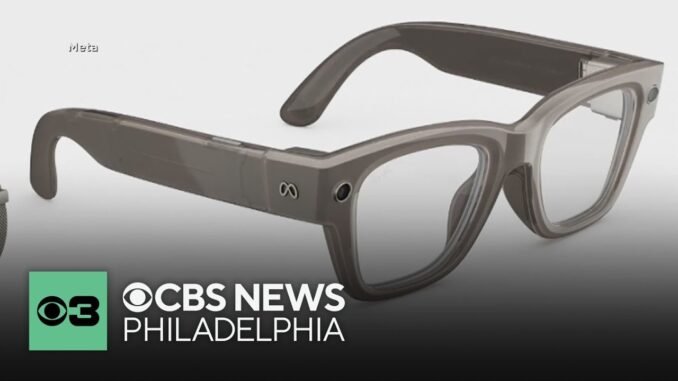

A groundbreaking ruling that could reshape how we think about wearable technology in public spaces
In a landmark decision that’s sending ripples through the global tech community, a Philadelphia court has become the first judicial institution to implement a comprehensive ban on smart glasses and AI-powered eyewear within its premises. This historic ruling specifically targets devices like Meta’s smart glasses and similar recording-capable eyewear, setting a precedent that could influence courtrooms across Nigeria and beyond.
What Exactly Has Been Banned?
The Philadelphia court’s decision covers all eyeglasses equipped with recording capabilities, regardless of whether they’re prescription or non-prescription frames. This means popular devices like:
– Meta Ray-Ban smart glasses
– Google Glass and similar AR devices
– Any eyewear with built-in cameras or audio recording features
– AI-powered glasses with facial recognition capabilities
The ban applies to everyone entering the courtroom—lawyers, witnesses, spectators, and even court staff.
Why This Matters for Nigerians
While this ruling comes from America, its implications extend far beyond Philadelphia. As Nigeria continues its rapid digital transformation and more Nigerians adopt cutting-edge wearable technology, questions about privacy, security, and appropriate tech use in sensitive spaces are becoming increasingly relevant.
For Nigerian legal professionals and tech enthusiasts, this development raises important questions: Should our courts consider similar measures? How do we balance technological advancement with privacy rights and security concerns?
The Privacy Concerns Driving the Decision
The court’s decision wasn’t made lightly. Smart glasses pose unique challenges in legal settings:
Covert Recording Risks: Unlike smartphones that are obvious when recording, smart glasses can capture video and audio discreetly, potentially compromising witness testimony, jury deliberations, and confidential legal proceedings.
Facial Recognition Threats: Some AI-powered eyewear can identify individuals in real-time, creating serious security and privacy concerns in courtrooms where witnesses may need protection.
Data Security: With cloud-connected devices, there’s always the risk of sensitive court proceedings being inadvertently or deliberately transmitted beyond the courtroom walls.
What Tech Users Need to Know
This ban represents a growing global concern about wearable technology’s impact on privacy. For Nigerians who own or plan to purchase smart glasses:
1. Be Aware of Restrictions: While Nigeria hasn’t implemented similar bans yet, expect increased scrutiny of wearable tech in sensitive locations like government buildings, banks, and potentially courts.
2. Respect Privacy Boundaries: Even where not legally banned, using recording-capable eyewear without consent raises ethical and legal questions under Nigerian privacy laws.
3. Stay Informed: As technology evolves, so will regulations. The Philadelphia decision could inspire similar policies worldwide, including in Nigeria.
The Bigger Picture: Tech Regulation in Nigeria
Nigeria’s tech ecosystem is booming, with Lagos positioning itself as Africa’s Silicon Valley. However, as we embrace innovation, we must also grapple with its implications. The National Information Technology Development Agency (NITDA) has been working on data protection frameworks, and decisions like Philadelphia’s court ban highlight why such regulations matter.
What Comes Next?
This first-of-its-kind ruling opens the door for other institutions—both in America and globally—to reconsider their policies on wearable technology. Nigerian legal experts and policymakers would do well to monitor these developments and consider whether similar safeguards are needed in our judicial system.
As we rush to adopt the latest technology, the Philadelphia court’s decision reminds us that innovation must be balanced with privacy, security, and respect for sensitive spaces. The question isn’t whether technology will continue advancing—it will. The question is how we’ll regulate its use to protect everyone’s rights.
What do you think? Should Nigerian courts implement similar bans on smart glasses? Share your thoughts in the comments below.
Visit buzzUp9ja for more details
Be the first to comment