
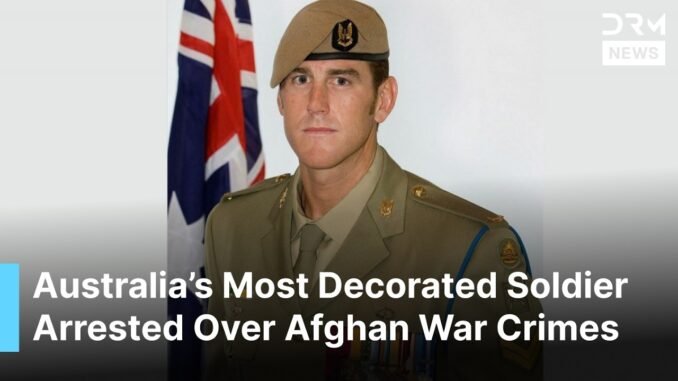

Summary: Ben Roberts-Smith, Australia’s most honoured living soldier, faces war crimes charges for alleged killings of unarmed civilians in Afghanistan. What this means for military accountability worldwide.**
The shocking news coming from Australia has sent ripples across the international community, including Nigeria, where respect for military service runs deep but accountability remains paramount. Ben Roberts-Smith, a name that once symbolized heroism and national pride down under, now finds himself at the center of grave war crimes allegations.
Who is Ben Roberts-Smith?
For those unfamiliar with Australian military history, Roberts-Smith is not just any soldier. He is Australia’s most decorated living serviceman, having received the Victoria Cross – their highest military honour – for exceptional bravery during combat operations in Afghanistan. His fall from grace mirrors stories Nigerians have witnessed in our own military and political spheres, where yesterday’s heroes sometimes become today’s accused.
The Allegations: What We Know
According to reports, Roberts-Smith faces multiple charges related to the alleged killing of unarmed civilians during his deployment in Afghanistan. These are not minor infractions – we’re talking about serious war crimes that could reshape how Western nations approach military conduct and accountability.
The allegations paint a disturbing picture that contradicts the heroic image previously celebrated. For Nigerians who have followed similar cases involving our own military operations in the Northeast and other conflict zones, the importance of transparent investigation cannot be overstated.
Why This Matters to Nigeria
You might wonder, “Why should we Nigerians care about an Australian soldier’s troubles?” The answer is simple: accountability knows no borders.
As Nigeria continues to combat insurgency, banditry, and various security challenges, the conduct of our own military forces remains under scrutiny. International cases like Roberts-Smith’s set precedents for how democracies should handle allegations against even their most celebrated soldiers.
If Australia – a wealthy, stable nation with strong institutions – can arrest and charge its most decorated soldier, it sends a powerful message: no one is above the law, regardless of their service record or public status.
The Broader Conversation on Military Accountability
This case opens up important questions that resonate globally, including in Nigeria:
– How do we balance honouring military service with ensuring accountability?
– What protections should exist for civilians in conflict zones?
– Can true justice be achieved when powerful institutions are involved?
These questions matter whether we’re discussing operations in Afghanistan, Somalia, or Nigeria’s own troubled regions.
International Law and War Crimes
War crimes are defined under international humanitarian law as serious violations of the laws and customs of war. They include:
– Willful killing of civilians
– Torture or inhumane treatment
– Unlawful deportation or transfer
– Taking hostages
The Roberts-Smith case will test Australia’s commitment to international law – something Nigeria, as a signatory to various international conventions, should watch closely.
What Happens Next?
Roberts-Smith’s arrest marks just the beginning of what will likely be a lengthy legal process. Australian authorities will need to present evidence, witnesses will testify, and the world will watch as one of their national heroes either clears his name or faces consequences.
For Nigeria, this serves as a reminder that building strong, accountable institutions isn’t optional – it’s essential for national credibility and the rule of law.
Lessons for Nigeria’s Security Sector
As we observe this case unfold, several lessons emerge for our own context:
1. Documentation matters: Proper investigation and record-keeping of military operations protects both soldiers and civilians
2. Independent oversight: Having credible, independent bodies to investigate misconduct is crucial
3. Political will: Leadership must be willing to pursue justice regardless of who is involved
4. International standards: Aligning with global best practices strengthens national institutions
The Human Cost
Beyond the legal and political implications, let’s not forget the human element. If the allegations are true, families in Afghanistan lost loved ones unjustly. This reminds us of the innocent Nigerians who have suffered in various conflicts across our nation – from the Northeast to the Middle Belt.
Justice for victims, wherever they are, must remain our collective priority.
Final Thoughts
The arrest of Ben Roberts-Smith demonstrates that reputation, medals, and public adoration cannot shield anyone from accountability when serious allegations emerge. For Nigeria, a country striving to strengthen democratic institutions and military professionalism, this case offers important lessons.
As we continue to demand better from our own leaders and institutions, we must remember that the measure of a nation isn’t just in how it celebrates heroes, but in how it pursues justice when those heroes are accused of wrongdoing.
The world is watching Australia. Nigeria should be watching too – and learning.
What are your thoughts on military accountability? Should decorated soldiers face the same justice system as everyone else? Share your views in the comments below.
Stay updated on buzzUp9ja for more details
Be the first to comment