

Summary: The escalating Middle East conflict is disrupting humanitarian aid routes, affecting 410,000 children in Sudan, Afghanistan, and Yemen. Learn how shipping costs have jumped 50% and what this means for global aid delivery.
When we think about conflicts in faraway lands, we often don’t realize how deeply they affect vulnerable people across the world—including children thousands of kilometers away who are waiting for medicine and food to survive.
According to Save the Children, the ongoing war in the Middle East is creating a humanitarian nightmare that stretches far beyond the region itself. Nearly half a million children worldwide are now struggling to receive life-saving aid because critical supply routes have been blocked or disrupted.
The Hidden Cost of War: Blocked Routes, Stranded Supplies
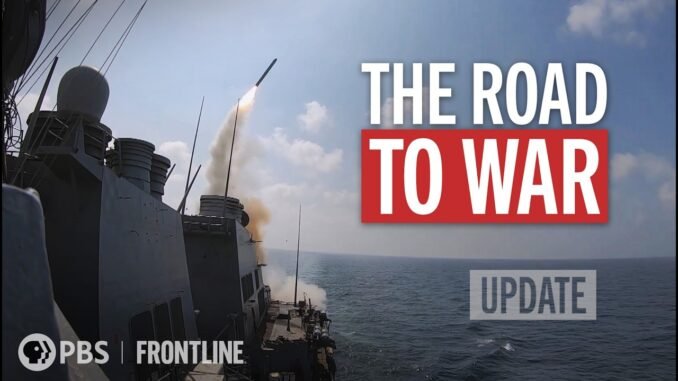
Since the United States and Israel launched military operations against Iran on February 28, the situation has deteriorated rapidly. The conflict has disrupted major shipping lanes, including the Strait of Hormuz—one of the world’s most important waterways for trade and humanitarian supplies.
The numbers tell a sobering story: at least 410,000 children and their families in Sudan, Afghanistan, and Yemen are now affected by delayed or stranded aid shipments. Shipping costs have skyrocketed by as much as 50 percent, making it even harder for humanitarian organizations to deliver help where it’s desperately needed.
Sudan: Healthcare Facilities on the Brink
In Sudan, a country already grappling with its own internal conflicts, the situation is particularly dire. A critical shipment of medical supplies is currently stuck in Dubai because access through the Strait of Hormuz has been restricted.
This delay puts more than 90 primary healthcare facilities at risk of running completely out of essential medicines. We’re talking about basic, life-saving drugs: antibiotics to fight infections, antimalarials to combat malaria, deworming treatments for children, and medications to reduce pain and fever.
Save the Children is now exploring alternative routes—possibly transporting supplies by road through Saudi Arabia to Jeddah before shipping them to Port Sudan. But this workaround comes with a steep price tag that will stretch already limited humanitarian budgets.
Afghanistan: When Airlifting Aid Costs More Than the Aid Itself
The situation in Afghanistan highlights the impossible choices humanitarian workers now face. Nutrition supplies meant for 5,000 children and 1,400 pregnant or breastfeeding women were originally planned for shipment through Iran.
Now, with that route no longer viable, these supplies may need to be airlifted at a cost exceeding $240,000—more than the actual value of the aid itself. For organizations working with limited donor funds, such decisions can mean choosing which children receive help and which don’t.
Yemen: Doubled Costs for Medicine Delivery
In Yemen, another country devastated by years of conflict, medicines intended for approximately 5,000 children remain stranded in Dubai. The alternative plan—transporting them by road—will likely double the logistics costs.
For a country where millions already face hunger and disease, these delays and increased costs could mean the difference between life and death for vulnerable children.
A Global Ripple Effect
Save the Children has issued a strong warning: this conflict is creating “grave ripple effects” that extend far beyond the Middle East. When major trade and humanitarian routes are disrupted, the impact is felt across continents.
The organization is calling on all parties involved in the conflict to allow safe passage for humanitarian aid. They emphasize that food, medicine, and essential supplies must be allowed to move freely, regardless of political tensions.
What This Means for the World
This crisis reminds us that in our interconnected world, no conflict is truly isolated. When shipping lanes close or become too dangerous to navigate, when costs double or triple, it’s not just businesses that suffer—it’s children waiting for medicine, pregnant women needing nutrition supplements, and healthcare workers trying to serve their communities with dwindling supplies.
As Nigerians, many of us understand the impact of conflict and instability. We know how quickly situations can deteriorate when supply chains break down and essential goods become scarce. This story from the Middle East should concern us all, because humanitarian crises anywhere threaten the most vulnerable everywhere.
Save the Children warns that further escalation of the conflict could worsen already critical humanitarian situations around the world. The international community must act urgently to ensure that children—no matter where they live—can receive the aid they desperately need to survive.
The question now is: will the world respond before it’s too late for these 410,000 children?
For more information, check buzzUp9ja
Be the first to comment