
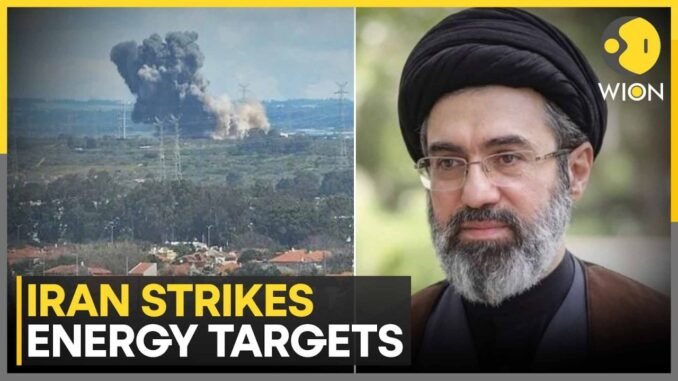

Summary: Israel Defense Forces confirm airstrikes on two missile production facilities in Tehran linked to Iran’s Ministry of Defence. Get the latest on this developing Middle East crisis.
The Israel Defense Forces (IDF) have confirmed they carried out precision airstrikes targeting two missile production facilities in the Iranian capital, Tehran, in what marks another escalation in the long-standing tensions between the two Middle Eastern powers.
What Happened?
According to an official statement released by the Israeli military on Wednesday, March 25, the strikes specifically targeted naval missile production sites connected to Iran’s Ministry of Defence. The facilities were allegedly involved in manufacturing advanced missile systems that Israeli intelligence believes pose significant security threats to the region.
The IDF has described the operation as a “targeted military action” aimed at degrading Iran’s missile production capabilities, particularly those related to naval warfare systems.
Regional Implications
This latest development adds another layer of complexity to the already tense situation in the Middle East. For Nigerians following international affairs, this incident highlights the continuing volatility in a region that significantly impacts global oil prices—a matter of direct concern to Nigeria’s economy as a major oil producer.
The strikes come amid ongoing concerns about Iran’s military capabilities and its support for various militant groups across the Middle East. Israel has consistently maintained that it will take necessary action to prevent what it perceives as existential threats to its security.
What This Means for Global Security
Military analysts suggest that such direct strikes on Iranian territory could trigger retaliatory responses, potentially affecting:
– Global oil markets – Any escalation could disrupt oil supply routes through the Strait of Hormuz
– Regional stability – Increased tensions may draw in other regional powers
– International diplomacy – The action may complicate ongoing negotiations regarding Iran’s nuclear program
Nigeria’s Perspective
While Nigeria maintains diplomatic relations with both Israel and Iran, such conflicts in oil-producing regions often have downstream effects on global crude prices, which directly impact our national economy and pump prices at home.
The Nigerian government has historically called for peaceful resolution of conflicts through diplomatic channels and international cooperation.
What Happens Next?
The international community is closely monitoring Iran’s response to these strikes. Previous similar incidents have sometimes led to proxy conflicts or retaliatory strikes through allied groups in the region.
As this situation continues to develop, we’ll keep you updated on any new information and what it means for Nigeria and the wider international community.
Stay tuned for more updates on this developing story as more information becomes available.
For more information, check buzzUp9ja
Be the first to comment