
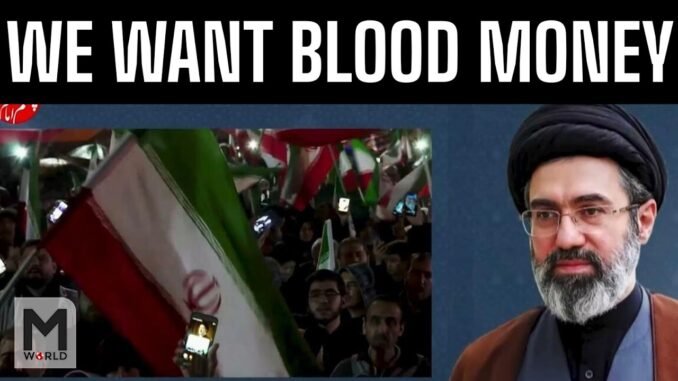

Summary: Iran’s new Supreme Leader, Ayatollah Mojtaba Khamenei, has issued a bold demand for “blood money” from the United States and Israel. Here’s what Nigerian observers need to know about this developing Middle Eastern crisis.
The Middle East is once again making headlines as Iran’s newly appointed Supreme Leader has taken a confrontational stance against Western powers. In a development that could reshape regional politics, Ayatollah Mojtaba Khamenei has publicly demanded what he terms “blood money” from both the United States and Israel.
The Unprecedented Demand
During a televised address on Iranian state television, Supreme Leader Ayatollah Mojtaba Khamenei made this striking declaration that has sent ripples across international diplomatic circles. The demand for “blood money” – a traditional Islamic concept of compensation paid to the family of a victim – represents a dramatic escalation in Iran’s rhetoric toward these nations.
What is “Blood Money” in Islamic Context?
For those unfamiliar with the term, “blood money” (known as diya in Islamic jurisprudence) is a form of financial compensation traditionally paid to the family of someone who has been killed or injured. By invoking this deeply cultural and religious concept, the Supreme Leader is framing Iran’s grievances in terms that resonate powerfully with the Iranian population and the broader Muslim world.
This choice of language is significant, as it transforms political disputes into matters of Islamic justice and accountability.
A New Leadership, A Bold Direction
The fact that this statement comes from Iran’s new Supreme Leader makes it particularly noteworthy. Leadership transitions in Iran typically signal potential shifts in policy direction, and Ayatollah Mojtaba Khamenei appears to be establishing his authority with strong rhetoric against nations Iran has long considered adversaries.
Why Nigerians Should Pay Attention
While this may seem like a distant Middle Eastern affair, developments in Iran have global implications:
– Oil Markets: Iran is a major oil producer, and tensions in the region often affect global oil prices, which directly impact fuel costs in Nigeria
– Regional Stability: Middle Eastern conflicts have historically affected international peace and security
– Islamic Solidarity: With Nigeria’s significant Muslim population, events in major Islamic nations often resonate locally
The Bigger Picture
This demand comes amid long-standing tensions between Iran and both the United States and Israel. These relationships have been characterized by mutual accusations, sanctions, proxy conflicts, and disputes over nuclear programs.
As this story continues to develop, international observers will be watching closely to see how the US and Israel respond to this unprecedented demand, and whether this signals a new phase in Middle Eastern geopolitics.
This is a developing story. Stay tuned for updates as more information becomes available.
Check buzzUp9ja for more updates
Be the first to comment