
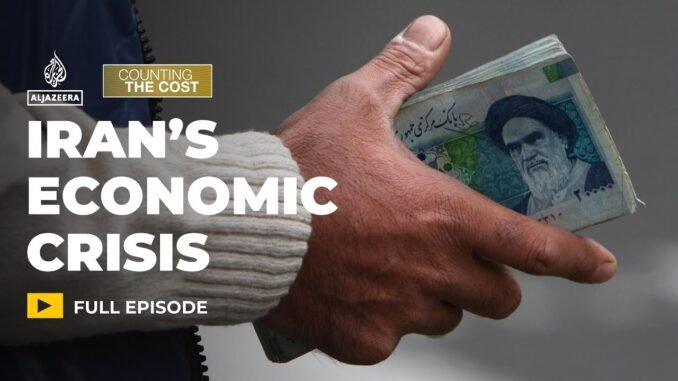

Iran is grappling with a worsening economic situation as the country faces mounting pressures from multiple fronts. The nation’s inflation rate, which was already hovering around 50 per cent before recent hostilities, has continued its upward trajectory following weeks of military conflict and intensified sanctions from Western powers.
Everyday Nigerians Would Understand This Struggle
For those of us in Nigeria who have experienced fuel subsidy removals and currency devaluation, the plight of ordinary Iranians will sound all too familiar. Just as we’ve watched the price of bread, rice, and garri climb steadily in our markets, Iranians are now seeing their purchasing power erode at an alarming rate.
The prices of basic commodities and essential goods have skyrocketed across Iranian cities, leaving millions of citizens struggling to afford items they once considered necessities. From cooking oil to medication, the cost of living has become increasingly unbearable for the average Iranian household.
The Perfect Storm: War and Economic Sanctions
Iran’s economic troubles stem from a combination of factors that have created what economists call a “perfect storm.” The recent military confrontations with Israel, coupled with decades of US-led economic sanctions, have severely restricted the country’s ability to trade internationally and access foreign currency reserves.
These sanctions have effectively cut Iran off from the global financial system, making it extremely difficult for the country to export oil—its primary source of revenue—or import essential goods. The situation mirrors what Nigeria experienced during various periods of international isolation, though on a much more severe scale.
Impact on Ordinary Citizens
The real victims of this economic turmoil are everyday Iranians who are watching their savings evaporate and their standard of living decline. Middle-class families who once enjoyed comfortable lives now find themselves making difficult choices between buying food and paying for healthcare.
Young Iranians, particularly university graduates, face an uncertain future with limited job opportunities and salaries that cannot keep pace with inflation. This brain drain phenomenon is something Nigeria also continues to battle, as talented youths seek better opportunities abroad.
What This Means for Global Markets
Iran’s economic crisis has implications beyond its borders. As one of the world’s major oil producers, any instability in Iran affects global energy markets. For oil-dependent economies like Nigeria, these ripples can impact everything from fuel prices to government revenue.
The situation also serves as a stark reminder of how geopolitical tensions and economic warfare can devastate civilian populations, regardless of the political disputes that sparked them.
The unfolding situation in Iran continues to develop, with economists warning that without significant policy changes or diplomatic breakthroughs, the country’s economic challenges may intensify in the coming months.
Check buzzUp9ja for more updates
Be the first to comment