
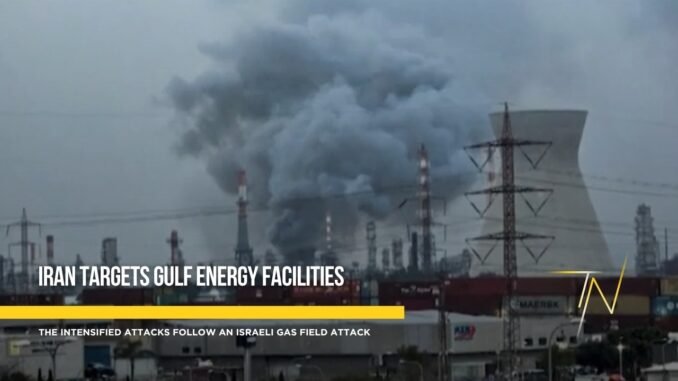

Summary: Iran warns of retaliation against Gulf energy infrastructure following Israeli strikes on South Pars gas field. Nigerian consumers may face higher fuel prices as global oil markets react to escalating Middle East tensions.
The simmering tensions in the Middle East have taken a dangerous turn that could directly affect the pockets of everyday Nigerians. Iran has issued stern warnings of imminent attacks on critical energy facilities across the Gulf region, following what Tehran claims were Israeli missile strikes on its largest gas field.
The Attack That Changed Everything
The South Pars gas field – the world’s largest natural gas reserve shared between Iran and Qatar – has reportedly been hit by Israeli missiles, marking the first time Iran’s core energy infrastructure has come under direct attack since the current conflict began. Iranian state media described the strike as a “red line” crossed, with the country’s Revolutionary Guards vowing swift retaliation.
According to reports, Iran is now threatening to target major refineries and petrochemical complexes in Saudi Arabia, the United Arab Emirates, and Qatar. The Iranian authorities have even urged workers and residents near potential target sites to evacuate immediately – a warning that suggests serious intent.
Why Should Nigerians Be Concerned?
For many Nigerians already struggling with high fuel costs and economic pressures, this development couldn’t come at a worse time. The immediate impact has already been felt in global markets:
– Oil prices have surged toward $110 per barrel, a significant jump that typically translates to higher petrol prices at Nigerian filling stations
– European gas prices have also climbed sharply, affecting global energy markets
– The Strait of Hormuz, through which a significant portion of the world’s oil passes, is now at the centre of escalating tensions
As an oil-producing nation, Nigeria might seem insulated from these shocks, but the reality is more complex. Our country still imports refined petroleum products, and global price increases inevitably affect local pump prices and, by extension, the cost of transportation, food, and virtually everything else.
A Dangerous Escalation
Iranian officials have described the situation as shifting toward a “full-scale economic war,” with energy infrastructure across the entire Gulf region now considered “legitimate targets.” This rhetoric is particularly alarming given that the Gulf states collectively account for a massive share of global oil and gas production.
Qatar, which shares the South Pars/North Dome gas field with Iran, has also raised the alarm, warning that attacks on energy facilities threaten not just regional stability but global energy security and the environment.
Israeli media reports suggest the operation may have been carried out with American backing, though neither Israel nor the United States has officially confirmed involvement in the strike.
The Bigger Picture
This escalation comes as the broader conflict enters its third week, with multiple strikes already reported on oil fields and key infrastructure across the region. The cumulative effect has been a significant reduction in energy exports from the Middle East, straining global markets already dealing with various supply challenges.
For Nigeria, which has been working to revive its own oil production and maximize revenue from crude exports, the spike in global prices presents both an opportunity and a challenge. Higher oil prices could boost government revenue, but they also risk fueling inflation and making life more difficult for ordinary citizens.
What Comes Next?
The situation remains extremely fluid. Iran’s threats are being taken seriously by international observers, given the country’s demonstrated military capabilities and its network of allied forces across the region. Any attack on Gulf energy infrastructure could trigger further retaliation and potentially draw more countries into the conflict.
Global markets are watching nervously. Energy analysts warn that disruption to Gulf oil and gas supplies – even temporarily – could send shockwaves through the world economy, affecting everything from manufacturing costs to airline ticket prices.
For Nigerians, the best we can hope for is diplomatic intervention to de-escalate the situation before it spirals further out of control. In the meantime, it may be wise to brace for possible increases in fuel prices and the ripple effects that would follow.
The events unfolding thousands of kilometres away in the Persian Gulf serve as yet another reminder of how interconnected our world has become – and how conflicts in distant lands can quickly reach into our wallets and daily lives here in Nigeria.
As this situation continues to develop, we’ll keep you updated on how it affects Nigeria and what it means for everyday citizens navigating an already challenging economic environment.
Stay tuned for more stories on buzzUp9ja
Be the first to comment