
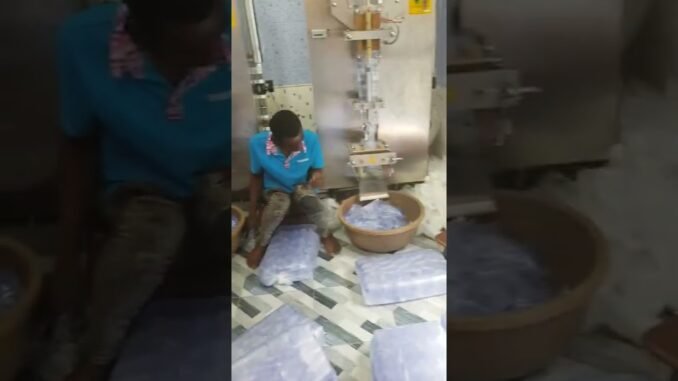

Residents of Owerri and surrounding communities are feeling the heat as the popular “pure water” becomes scarce and expensive following a three-day production halt by manufacturers.
If you’ve tried buying sachet water in Imo State this week, you’ve probably noticed something alarming: the price has shot up dramatically, and supply is running low. What used to cost ₦350 per bag now goes for ₦500, while street hawkers who sold three sachets for ₦100 are now charging the same amount for just one sachet.
The culprit? Members of the Association of Table Water Producers in Imo State suspended production from Monday, March 16, citing rising manufacturing costs that have made business unsustainable.
Why the Sudden Shutdown?
According to producers who spoke on condition of anonymity, the cost of doing business has become unbearable. Two major expenses are choking their operations:
Nylon packaging materials – The plastic used to wrap sachet water has become significantly more expensive, eating into already thin profit margins.
Diesel prices – With epileptic power supply remaining a constant challenge, producers depend heavily on generators. The continued high cost of diesel has made production costs skyrocket.
Some insiders suggest the shutdown was partly tactical – creating artificial scarcity to justify the new, higher prices. However, the association’s leadership presents a different story.
“It’s Just Routine Maintenance” – Association Chairman
Bismark Lumanze, the state chairman of the Association of Table Water Producers, has pushed back against claims of a strike or deliberate action to manipulate prices.
According to Lumanze, the three-day break was a coordinated maintenance exercise essential for maintaining hygiene standards in the industry. He explained that producers used the time to:
– Clean production machines thoroughly
– Replace water filters
– Service equipment
– Ensure compliance with health regulations
“The price adjustment was already done before the shutdown,” Lumanze insisted, assuring Imo residents that normal production and distribution would resume from Thursday, March 19.
Bigger Problems on the Horizon
Beyond the immediate supply crisis, the sachet water industry in Nigeria faces mounting regulatory pressure. Lumanze pointed to two major concerns:
Environmental pollution: The plastic waste generated by sachet water consumption has become a serious environmental headache across Nigerian cities. From gutters to waterways, discarded sachets are everywhere, contributing to flooding and ecological damage.
Legislative restructuring: The National Assembly is considering new regulations that could fundamentally change how the industry operates, potentially imposing stricter environmental standards or even phasing out certain packaging formats.
The Impact on Ordinary Nigerians
For millions of Nigerians, especially in urban areas like Owerri, sachet water – affectionately called “pure water” – is not a luxury but a necessity. With unreliable pipe-borne water supply, many households depend entirely on sachet water for drinking and cooking.
The price increase from ₦350 to ₦500 per bag represents a 43% jump – a significant burden for families already struggling with inflation across food, transport, and other essentials.
Street hawkers, who form a crucial link in the distribution chain and depend on slim margins for their daily survival, are also affected. The new pricing structure squeezes both their income and their customers’ purchasing power.
What Happens Next?
As production resumes this Thursday, residents are hoping that supply will stabilize and prices might moderate. However, unless the underlying cost pressures ease – particularly diesel and packaging materials – the higher prices may be here to stay.
The situation in Imo reflects broader challenges facing small-scale manufacturers across Nigeria: rising input costs, unreliable power supply, and an increasingly difficult operating environment.
For now, Owerri residents will have to adjust to paying more for their daily water supply, while producers navigate the delicate balance between staying in business and keeping their product affordable for the masses who depend on it.
What’s your experience with the sachet water price increase? Have you noticed similar changes in your area? Share your thoughts in the comments below.
Visit buzzUp9ja for more updates
Be the first to comment