
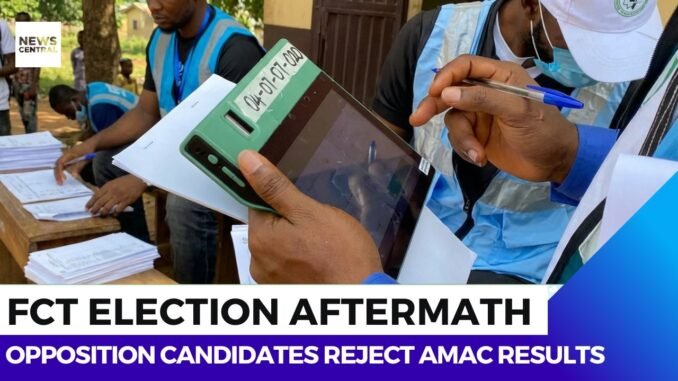

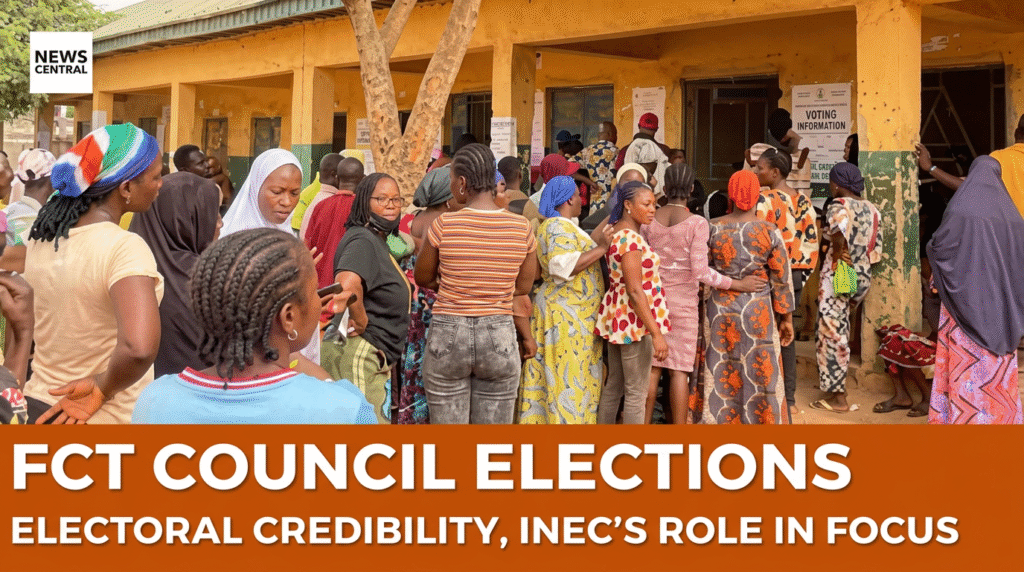
The Independent National Electoral Commission (INEC) has some good news and some not-so-good news about Saturday’s Federal Capital Territory (FCT) area council elections.
The good news? Voter turnout increased to 14 percent – an improvement from the 9.4 percent recorded during the 2022 council polls. The not-so-good news? That still means over 85 percent of registered voters stayed at home.
Breaking Down the Numbers
INEC’s acting director of voter education and publicity, Wilfred Ifogah, revealed the figures in a recent statement. According to the commission, the elections saw some encouraging signs:
– 1.68 million voters were registered for the 2026 elections (up from 1.58 million in 2022)
– 239,210 people actually voted – representing the 14.2 percent turnout
– This marks an increase of 90,510 voters compared to 2022
– That’s a 61 percent rise in actual participation from the last election
The voter registration itself grew by about 100,000 people, reflecting a 6.3 percent increase in the register.
Progress, But Not Enough
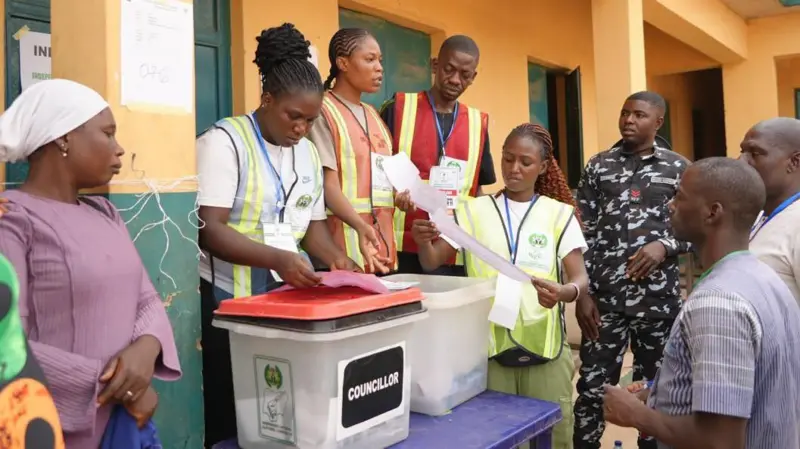
While many Nigerians and civil society organizations praised the peaceful conduct of the elections across all six area councils in Abuja, the elephant in the room remains: voter apathy.
Yes, the turnout improved compared to 2022. Yes, more people registered to vote. But when 85 percent of eligible voters choose to stay away from the polls, it raises serious questions about civic engagement in our nation’s capital.
What This Means for Nigerian Democracy
The FCT council elections are a microcosm of a larger problem facing Nigeria’s democracy. Despite passionate political debates on social media and in our communities, translating that energy into actual votes remains a significant challenge.
As we look ahead, both INEC and political stakeholders must address the underlying reasons why so many Nigerians feel disconnected from the electoral process – whether it’s distrust in the system, logistical barriers, or simply apathy about local governance.
For now, though, we can celebrate the small victory: more Abuja residents voted this time around. The question is, what will it take to get the other 85 percent to join them next time?
What do you think is the main reason for low voter turnout in Nigeria? Share your thoughts in the comments below.
For more updates and trending stories, visit : Buzzup9ja.
Be the first to comment