

Summary: The Nigerian Naira has weakened against the dollar, trading at N1,383.5/$, while the country’s external reserves decline to $49.6 billion amid global economic pressures.
The Nigerian Naira experienced further depreciation on Tuesday, weakening to N1,383.5 against the United States dollar at the official foreign exchange market. This represents a marginal decline from the N1,383/$ recorded on Monday, signaling continued pressure on Africa’s largest economy’s currency.
External Reserves Under Pressure
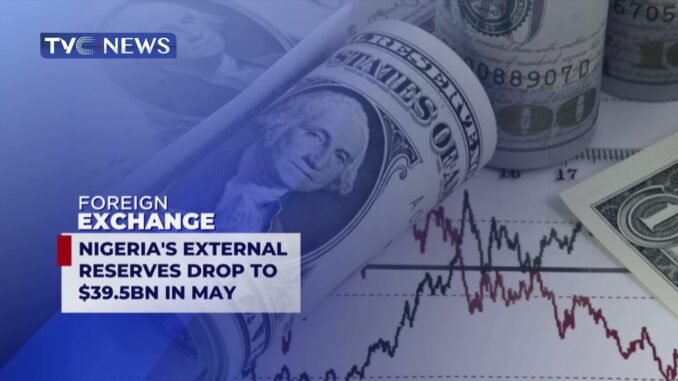
The depreciation comes as Nigeria’s external reserves have dropped to $49.6 billion, raising concerns among economists and financial analysts about the country’s ability to defend the Naira and meet foreign exchange obligations. External reserves serve as a critical buffer for any economy, providing the means to import essential goods, service foreign debts, and stabilize the national currency during periods of volatility.
The decline in reserves reflects multiple challenges facing the Nigerian economy, including reduced crude oil revenues, ongoing foreign exchange demands, and the Central Bank of Nigeria’s interventions in the forex market to maintain relative stability.
What’s Weighing on the Naira?
Several factors are contributing to the current weakness of the Naira:
Global Market Sentiment
Cautious sentiment in global financial markets has made investors more risk-averse, leading to capital flight from emerging markets like Nigeria. When international investors pull out their funds, it creates additional demand for dollars and puts downward pressure on the local currency.
Import Demand
Nigeria’s heavy reliance on imports for essential goods, including food, petroleum products, and manufacturing inputs, continues to drive demand for foreign exchange. This persistent demand outstrips supply, creating constant pressure on the Naira.
Oil Revenue Challenges
Despite being Africa’s largest oil producer, Nigeria has struggled with production challenges, oil theft, and fluctuating global oil prices. Since oil exports account for a significant portion of the country’s foreign exchange earnings, any disruption in this sector directly impacts the Naira’s strength.
Impact on Ordinary Nigerians
The weakening Naira has direct implications for everyday Nigerians. A weaker currency means:
– Higher prices for imported goods: From rice and wheat to electronics and vehicles, everything that comes from abroad becomes more expensive
– Increased cost of foreign education: Parents and students paying school fees abroad face higher naira-equivalent costs
– More expensive travel: Those traveling overseas for business, medical treatment, or vacation must pay more naira for the same dollar amount
– Rising inflation: As import costs increase, businesses pass these expenses to consumers, driving up the general price level
What Experts Are Saying
Financial analysts note that while the day-to-day fluctuations may appear small, the overall trend requires attention. The key to reversing the Naira’s decline lies in boosting external reserves through increased non-oil exports, attracting foreign direct investment, and implementing policies that enhance dollar inflows into the economy.
Some economists have called for more aggressive economic diversification efforts, arguing that Nigeria’s overreliance on oil revenues leaves the economy vulnerable to external shocks and commodity price volatility.
The Road Ahead
The Central Bank of Nigeria faces the delicate task of managing exchange rate stability while preserving the country’s external reserves. Recent policy interventions, including efforts to improve forex liquidity and attract diaspora remittances through official channels, are part of a broader strategy to stabilize the currency.
However, sustainable Naira stability will ultimately depend on structural reforms that boost production capacity, enhance export earnings beyond oil, and create an enabling environment for foreign investment.
For now, businesses and individuals who rely on foreign exchange should brace for continued volatility while hoping that government policies and improved global economic conditions will provide relief in the coming months.
Stay tuned for more updates on the Naira’s performance and Nigeria’s economic indicators as the situation develops.
For more information, check buzzUp9ja
Be the first to comment