
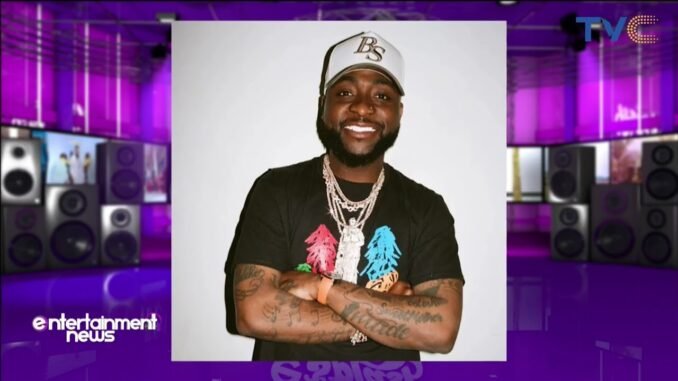

Summary: Rapper Dremo breaks his silence on leaving Davido Music Worldwide (DMW), revealing shocking details about lack of support and the real reason behind his exit from the record label.
—
Nigerian rapper and songwriter Dremo has finally broken his silence on why he parted ways with Davido Music Worldwide (DMW), and his revelations are making waves across the Nigerian music industry.
In a no-holds-barred interview on the popular Echo Room podcast, the “Izzokay” crooner didn’t mince words as he detailed his frustrations with the label that once housed some of Nigeria’s biggest talents.
The Real Reason Behind The Exit
According to Dremo, whose real name is Aboriomoh Femi Raymond, DMW’s singular focus on its founder and Afrobeats superstar Davido meant that other artists on the roster were left in the shadows.
“The truth is, DMW was focused only on Davido,” Dremo stated candidly. “I didn’t get what I wanted from the label. As an artist, you need support, you need structure, and unfortunately, that wasn’t there for me.”
The rapper, who joined DMW in 2016 and quickly became known for his unique rap style and chemistry with Davido on tracks like “Back 2 Back” and “Mabel,” explained that the lack of proper structure within the organization significantly affected his career growth.
The Struggle For Attention and Resources
For many Nigerians in the entertainment industry, Dremo’s story sounds all too familiar. Record labels owned by superstar artists often face the challenge of balancing attention between the label owner and their signees.
“When you’re signed to a label where the owner is also the biggest artist, it’s natural that most of the resources, promotion, and energy will go toward maintaining that brand,” Dremo explained. “But as an artist trying to build your own legacy, you need your own spotlight too.”
The rapper revealed that while he appreciates everything Davido did for him, including giving him a platform and exposure to millions of fans, the business side of things didn’t align with his ambitions and career goals.
Life After DMW: Finding His Own Path
Since leaving DMW, Dremo has been on a journey of self-discovery and independence in the music industry. While he may not have achieved the same level of commercial success as some of his former label mates, he’s found fulfillment in creative control over his music.
“Now, I can make decisions about my career. I can choose which songs to release, which collaborations to do, and how to brand myself. That freedom is priceless,” he said.
The rapper also touched on the importance of Nigerian artists understanding the business side of music before signing any contracts. “A lot of us just see the glamour and the association with big names, but we don’t ask the important questions about career development, funding, and creative control.”
What This Means For The Nigerian Music Industry
Dremo’s revelations have sparked important conversations about how record labels in Nigeria operate, especially those owned by active artists. Industry watchers have long questioned whether such structures can truly nurture multiple stars simultaneously.
Music executive and talent manager Sophia Ibekwe shared her thoughts: “This is a conversation we need to have more openly in our industry. Artists need proper management structures, not just association with big names. The Nigerian music industry is growing, and our business practices need to grow with it.”
The DMW Legacy and Other Exits
Dremo isn’t the first artist to leave DMW. Over the years, several artists including Mayorkun (though he later clarified his status) have either left or distanced themselves from the label. However, artists like Peruzzi and Logos Olori remain associated with the DMW brand.
Despite his criticisms, Dremo was quick to acknowledge Davido’s impact on his career. “I’m not saying this out of bitterness. Davido gave me an opportunity when I needed it, and I’ll always be grateful for that. We’re still cool. But business-wise, it wasn’t working for me anymore.”
Lessons For Upcoming Artists
For young Nigerian artists dreaming of signing with major labels, Dremo’s story offers valuable lessons:
1. Understand the contract: Don’t just sign because of excitement. Read and understand every clause.
2. Ask about structure: How will the label support your career specifically? What resources are allocated to you?
3. Define your expectations: Be clear about what you want from the partnership before signing.
4. Have a backup plan: Always think about your career beyond the label deal.
Moving Forward
As Dremo continues to forge his independent path in the Nigerian music industry, his story serves as both a cautionary tale and an inspiration for artists who feel stuck in unfavorable situations.
The rapper has hinted at new music and collaborations in the pipeline, promising fans that the best is yet to come. “I’m more focused than ever. Watch this space,” he teased at the end of the interview.
For Nigerian music fans who’ve followed Dremo’s journey from his early days with DMW to now, his honesty is refreshing. In an industry where artists often avoid speaking negatively about former labels out of fear or respect, Dremo’s transparency opens the door for more honest conversations about how to build a sustainable music industry that works for everyone—not just the superstars.
What do you think about Dremo’s revelations? Should record labels owned by active artists have better structures to support their signees? Share your thoughts in the comments below.
—
Stay tuned to buzzUp9ja for more updates on Nigerian music industry news and exclusive artist interviews.
Be the first to comment