
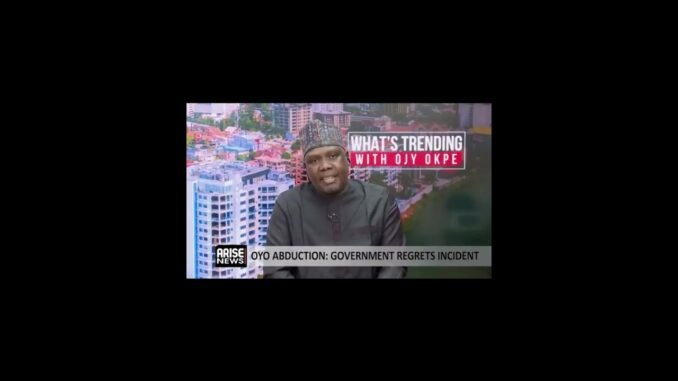

Summary: Daniel Bwala, Special Adviser to President Tinubu, reminds Nigerians of their constitutional right to self-defense amid rising security challenges across the country.
In the face of escalating insecurity across Nigeria, Daniel Bwala, Special Adviser to President Bola Ahmed Tinubu on Policy Communication, has issued a crucial reminder to citizens: Nigerians have a constitutional right to defend themselves against attackers, even when facing life-threatening situations.
Understanding Your Right to Self-Defense
Bwala’s statement comes at a time when many Nigerians are grappling with various security threats—from banditry in the North-West to kidnappings along major highways, and from armed robbery in urban centers to communal clashes in rural areas. The Presidential aide emphasized that the Nigerian Constitution recognizes and protects citizens’ fundamental right to protect their lives and property when under imminent danger.
This right to self-defense is not a new provision but rather a long-standing constitutional principle that many Nigerians may not fully understand or know how to exercise within legal boundaries.
What Does Self-Defense Mean Under Nigerian Law?
Under Nigerian law, self-defense is recognized as a justifiable action when certain conditions are met:
– Imminent Threat: There must be an immediate danger to life or serious bodily harm
– Proportionate Response: The defensive action must be reasonable and proportional to the threat faced
– No Alternative: There should be no reasonable alternative to avoid the danger
The right to self-defense applies whether the threat comes from criminals, terrorists, or any person attempting to cause unlawful harm.
The Current Security Reality
Nigeria continues to face multifaceted security challenges. From Boko Haram insurgency in the North-East to banditry terrorizing communities in Zamfara, Kaduna, and Niger States, and kidnappings becoming increasingly common across the country, ordinary Nigerians often find themselves in situations where they must make split-second decisions about their safety.
In many communities, especially in rural areas where security agencies may take hours to respond to distress calls, residents have had to organize local vigilante groups and community defense systems. Bwala’s statement appears to acknowledge this reality while providing legal backing for citizens’ protective actions.
Government’s Role and Citizens’ Rights
While affirming citizens’ right to self-defense, it’s important to note that this does not absolve the government of its primary responsibility to protect lives and property. The Federal Government, under President Tinubu’s administration, continues to work on comprehensive security reforms, including:
– Strengthening security agencies
– Improving intelligence gathering
– Community policing initiatives
– Technology-driven surveillance systems
However, Bwala’s reminder serves as an acknowledgment that in emergency situations where immediate government protection is unavailable, Nigerians should not feel helpless or legally restricted from protecting themselves.
Balancing Rights with Responsibility
As Nigerians exercise their right to self-defense, it’s crucial to understand the legal boundaries. Taking the law into your own hands through vigilante justice, mob action, or preemptive attacks against suspected criminals remains illegal and punishable under Nigerian law.
Self-defense must be:
– Reactive, not proactive
– Limited to the duration of the threat
– Reported to appropriate authorities afterward
What This Means for Average Nigerians
For the everyday Nigerian navigating these challenging times, Bwala’s statement provides both reassurance and a reminder:
1. You can protect yourself when facing genuine threats without fear of legal prosecution
2. Document incidents and report to security agencies when possible
3. Act within reason – excessive force beyond what’s necessary for protection may still attract legal consequences
4. Engage with community security initiatives that work alongside formal security structures
The Way Forward
While the right to self-defense is important, the ultimate goal remains a Nigeria where citizens don’t regularly need to invoke this right because security agencies effectively protect everyone.
Until that ideal is fully realized, knowing your rights—and the legal limits of those rights—remains essential for every Nigerian household. As insecurity continues to challenge our nation, being informed, prepared, and working collectively with security agencies and community members offers the best path to personal and collective safety.
The government’s acknowledgment of citizens’ self-defense rights should be seen as part of a broader security strategy, not a replacement for government action. Every Nigerian deserves to feel safe in their homes, on the roads, and in their communities—and achieving that requires both effective governance and an empowered, informed citizenry.
—
Stay safe, stay informed, and remember: your right to life is paramount and protected by law.
Get more stories on buzzUp9ja
Be the first to comment