

In a chilling development that has reopened wounds from one of Europe’s darkest chapters, Croatian prosecutors have initiated an investigation into two tourists suspected of participating in what survivors have called “human safaris” during the brutal Bosnian War of the 1990s.
The Horrific Allegations
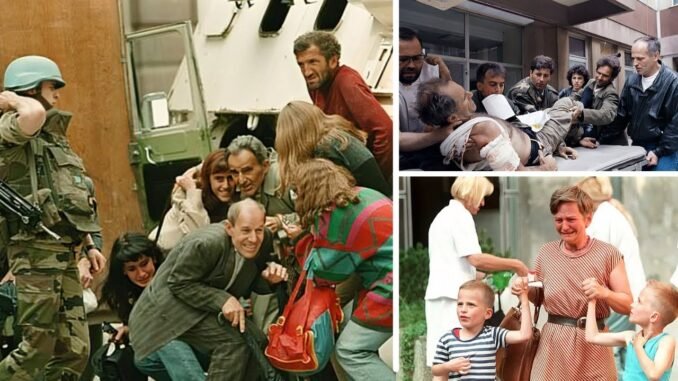
According to investigative reports, foreign visitors allegedly paid significant sums of money for the opportunity to shoot at civilians during the siege of Sarajevo, treating human lives as mere targets in a macabre hunting expedition. The allegations suggest these so-called safaris were organized activities where outsiders could experience the “thrill” of armed conflict by targeting defenseless people.
The Bosnian War, which lasted from 1992 to 1995, claimed over 100,000 lives and displaced millions. The siege of Sarajevo alone lasted nearly four years, making it the longest siege of a capital city in modern warfare history.
Why This Matters Now
While these events occurred nearly three decades ago, the pursuit of justice remains crucial for several reasons:
Accountability: War crimes have no statute of limitations. Victims and their families deserve justice, regardless of how much time has passed.
Historical Documentation: Each investigation adds to our understanding of the full scope of atrocities committed during the conflict.
Deterrence: Prosecuting perpetrators sends a clear message that such acts will not be forgotten or forgiven.
The Croatian Response
Croatian authorities have stated that they are taking these allegations seriously and are committed to thorough investigation. The probe represents part of ongoing efforts across the Balkans to address unresolved war crimes from the 1990s conflicts that tore apart the former Yugoslavia.
International war crimes tribunals have previously documented numerous atrocities from the Bosnian War, but allegations of organized “human safaris” represent a particularly disturbing dimension of the conflict that is only now receiving focused attention.
Lessons for Nigeria and Africa
For Nigerian readers, this story carries sobering parallels. Our own nation has experienced conflicts where civilians became targets, from the Biafran War to ongoing security challenges in various regions. The principle that war criminals must face justice—whether immediately or decades later—should resonate deeply.
The international community’s response to Balkan war crimes established important precedents for accountability that have influenced how conflicts are addressed globally, including on the African continent.
The Path Forward
As investigations continue, the focus remains on:
– Gathering testimonial and documentary evidence
– Identifying additional suspects who may have participated
– Ensuring survivors and witnesses receive protection and support
– Working with international bodies to coordinate prosecution efforts
The pursuit of justice for war crimes, no matter how long delayed, reminds us that humanity’s memory is long, and accountability, though sometimes slow, can still be achieved.
This investigation serves as a stark reminder that the darkest chapters of human conflict must be confronted, documented, and judged—not just for the sake of the past, but to build a more just future for all.
Check buzzUp9ja for more details
Be the first to comment