
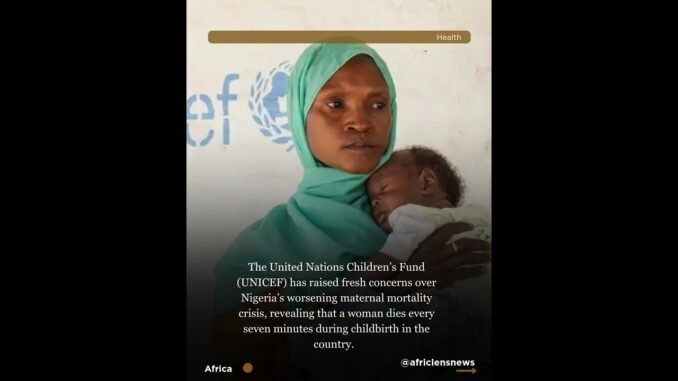

The statistics are heartbreaking and demand immediate attention: every seven minutes, a Nigerian woman loses her life due to childbirth or pregnancy-related complications. This devastating revelation from the United Nations Children’s Fund (UNICEF) paints a grim picture of maternal healthcare in Africa’s most populous nation.
A Crisis We Can No Longer Ignore
Imagine this: in the time it takes to prepare a pot of jollof rice, two Nigerian mothers have lost their lives. Before you finish watching your favorite Nollywood movie, approximately 17 women have died simply from trying to bring new life into this world. This is the harsh reality facing expectant mothers across Nigeria today.
The maternal mortality crisis in Nigeria has reached emergency proportions, yet it remains one of the most under-discussed health challenges in our nation. While we celebrate births and welcome new babies with joy and fanfare, the shadow of maternal death looms large over countless families.
Understanding the Numbers Behind the Tragedy
Nigeria currently accounts for a disproportionately high percentage of global maternal deaths. For a country blessed with abundant natural resources and a vibrant, resilient population, these figures represent not just statistics, but real women—mothers, daughters, sisters, and wives—whose lives are cut short unnecessarily.
UNICEF’s alarm bells are ringing for good reason. Every seven minutes translates to approximately 200 maternal deaths daily, or over 73,000 deaths annually. These are not just numbers on a page; they represent shattered families, orphaned children, and dreams left unfulfilled.
Why Are Our Mothers Dying?
The causes of Nigeria’s maternal mortality crisis are complex and multifaceted:
Limited Access to Quality Healthcare: Many Nigerian women, especially in rural areas, lack access to skilled birth attendants and properly equipped health facilities. The distance to the nearest hospital or clinic can mean the difference between life and death when complications arise.
Poverty and Economic Barriers: Quality maternal healthcare often comes with costs that many families simply cannot afford. From antenatal care to emergency interventions, financial constraints force many women to opt for less safe alternatives or forego care entirely.
Cultural and Social Factors: Traditional practices, early marriages, and frequent pregnancies without adequate spacing contribute to increased risks. Additionally, gender inequality often means women have limited decision-making power regarding their own healthcare.
Inadequate Infrastructure: Poor road networks, unreliable electricity supply in health facilities, and shortages of essential medical supplies create an environment where even available healthcare cannot function optimally.
Shortage of Skilled Healthcare Workers: Nigeria faces a critical shortage of doctors, nurses, and midwives, particularly in rural and underserved communities. Brain drain has further depleted the healthcare workforce as professionals seek better opportunities abroad.
The Ripple Effect of Maternal Death
When a mother dies, the impact extends far beyond the immediate tragedy. Children who lose their mothers face increased risks of malnutrition, poor educational outcomes, and even higher mortality rates themselves. Families are thrown into economic hardship, and communities lose valuable members who would have contributed to social and economic development.
Hope on the Horizon: What Can Be Done?
Despite the grim statistics, maternal deaths are largely preventable with the right interventions:
Strengthening Primary Healthcare: Investment in primary healthcare centers, especially in rural areas, can ensure that more women receive essential antenatal care and skilled attendance during delivery.
Training and Deploying Healthcare Workers: Expanding midwifery training programs and providing incentives for healthcare workers to serve in underserved areas can bridge the workforce gap.
Community Education: Raising awareness about the importance of antenatal care, facility-based deliveries, and recognizing danger signs can empower women and families to seek timely medical attention.
Improving Emergency Response: Establishing functional ambulance services and emergency referral systems can save lives when complications arise.
Making Healthcare Affordable: Implementing or expanding free maternal healthcare programs can remove financial barriers that prevent women from accessing life-saving services.
A Call to Action for Every Nigerian
The maternal mortality crisis is not just a healthcare issue—it’s a human rights issue, an economic issue, and a development issue. It requires urgent action from government, healthcare providers, communities, and individuals.
As citizens, we can contribute by supporting pregnant women in our families and communities, advocating for better healthcare policies, and challenging harmful traditional practices. Young women must be empowered with education about reproductive health, and men must become active partners in supporting maternal health.
The Nigerian government must prioritize maternal healthcare in budget allocations and policy implementation. International partners and NGOs must continue supporting interventions while building local capacity for sustainability.
Every Mother Matters
Behind every statistic is a story—a woman who had dreams, responsibilities, and people who loved her. The fact that one Nigerian woman dies every seven minutes from preventable causes is not just unacceptable; it’s a stain on our collective conscience.
We have the knowledge, resources, and capability to change this narrative. What we need now is the political will, sustained commitment, and collective action to ensure that no Nigerian woman has to die simply because she chose to become a mother.
The time for action is now. Because every seven minutes is seven minutes too soon to lose another precious life.
This crisis affects us all. Share this article to raise awareness, and let’s join hands to demand better maternal healthcare for every Nigerian woman. Their lives depend on it.
Visit buzzUp9ja for more information
Be the first to comment