
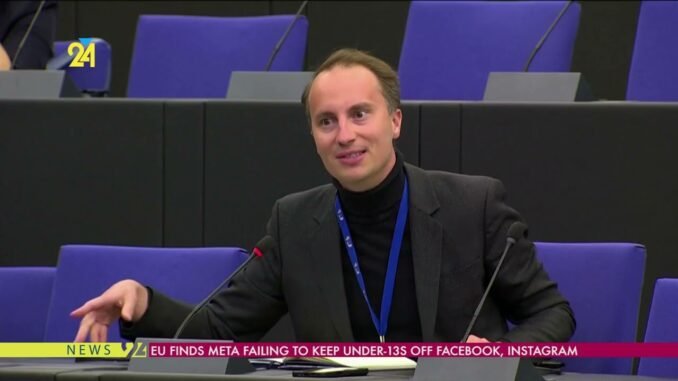

The European Union has issued a stern warning to Meta, the parent company of Facebook and Instagram, for allegedly failing to prevent children under 13 from accessing its platforms. This development has serious implications not just for Europe, but for Nigerian parents and guardians who are increasingly concerned about their children’s online safety.
The Growing Concern Over Underage Social Media Use
According to EU regulators, Meta’s current age verification systems are inadequate, allowing underage children to create accounts and access content that may be inappropriate or harmful. This comes at a time when Nigerian children are spending more time online than ever before, with smartphones becoming increasingly accessible across all economic levels.
The investigation reveals that despite Meta’s official policy prohibiting users under 13, many children are easily bypassing these restrictions by simply entering false birth dates during registration. For Nigerian parents who may already be struggling to monitor their children’s online activities, this represents a significant concern.
What This Means for Nigerian Families
Nigeria has one of the youngest populations in the world, with millions of children having access to smartphones and social media. The challenges identified by the EU mirror concerns voiced by Nigerian parents, teachers, and child protection advocates:
– Exposure to inappropriate content: Children may encounter violence, sexual content, or cyberbullying
– Privacy risks: Young users often don’t understand the implications of sharing personal information
– Mental health impacts: Studies have linked early social media use to anxiety, depression, and low self-esteem in children
– Online predators: Underage users are particularly vulnerable to grooming and exploitation
Meta’s Response and Obligations
Meta has consistently maintained that protecting young users is a priority. The company claims to use artificial intelligence and machine learning to detect and remove accounts belonging to underage users. However, EU regulators argue these measures are insufficient.
Under European law, and increasingly under emerging Nigerian digital protection frameworks, tech companies have a responsibility to implement robust age verification systems. The EU’s Digital Services Act requires platforms to demonstrate proactive measures to protect minors.
What Nigerian Parents Can Do Right Now
While waiting for tech companies and regulators to strengthen protections, Nigerian parents can take immediate action:
1. Have honest conversations: Talk to your children about social media use, its benefits, and dangers
2. Monitor device usage: Regularly check what apps your children are using and who they’re interacting with
3. Use parental controls: Enable built-in safety features on devices and apps
4. Set clear rules: Establish guidelines about when and how long children can use social media
5. Lead by example: Model healthy social media habits yourself
6. Stay informed: Keep up with the latest online safety trends and threats
The Nigerian Context: Need for Local Action
While the EU takes action against Meta, Nigerian authorities and civil society organizations must also step up efforts to protect children online. The Nigerian Communications Commission (NCC) and other relevant bodies should consider:
– Implementing stricter regulations for social media platforms operating in Nigeria
– Creating public awareness campaigns about online child safety
– Collaborating with schools to educate children about digital literacy and safety
– Establishing clear reporting mechanisms for harmful content targeting children
The Way Forward
The EU’s warning to Meta is a wake-up call for parents, educators, and policymakers worldwide, including in Nigeria. As our children grow up in an increasingly digital world, protecting them online must become a shared responsibility between tech companies, governments, and families.
Nigerian parents must remain vigilant, tech-savvy, and engaged in their children’s digital lives. At the same time, we must demand that platforms like Facebook and Instagram implement stronger protections that actually work, not just policies that look good on paper.
Have you noticed underage children using Facebook or Instagram? What measures do you think should be implemented to better protect Nigerian children online? Share your thoughts in the comments below.
Stay updated for more on buzzUp9ja
Be the first to comment