
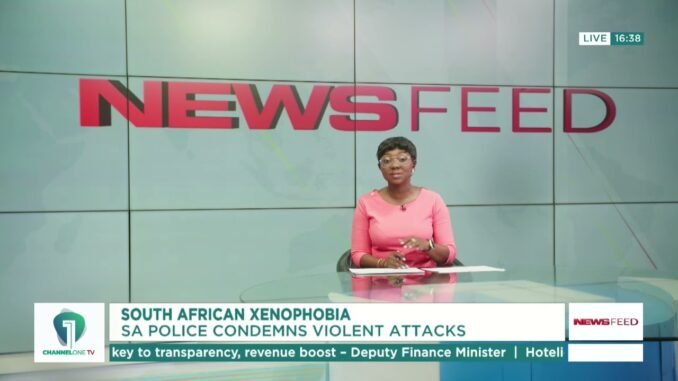

The acting Police Minister of South Africa, Firoz Cachalia, has come out strongly against the recent surge of xenophobic attacks targeting Ghanaian nationals and other African migrants in Durban. The minister’s statement comes as violent unrest continues to grip parts of the city’s central business district, raising fresh concerns about the safety of foreign nationals living and working in the Rainbow Nation.
No Room for Xenophobia
Minister Cachalia made it clear that the South African government will not tolerate attacks on foreign nationals, warning that perpetrators will face the full wrath of the law. “Those responsible for these cowardly acts will be hunted down and arrested,” the minister stated, emphasizing the government’s commitment to protecting all residents within its borders, regardless of nationality.
This development hits close to home for many Nigerians living in South Africa, as our citizens have also been victims of similar attacks in the past. The xenophobic violence has become a recurring issue in Africa’s most industrialized nation, often fueled by economic frustrations and misinformation about foreign nationals taking jobs from locals.
Why This Matters to Nigerians
For Nigerians following this story, the situation in Durban serves as a stark reminder of the challenges facing African migrants across the continent. South Africa hosts one of the largest populations of Nigerian expatriates on the continent, many of whom are entrepreneurs, students, and professionals contributing to the local economy.
The attacks on Ghanaian nationals could easily extend to other West African communities, including Nigerians. Previous waves of xenophobic violence in 2008, 2015, and 2019 saw Nigerian-owned businesses looted and destroyed, with some attacks resulting in loss of life.
The Bigger Picture
These incidents highlight the complex relationship between African nations and the need for stronger pan-African solidarity. While South Africa’s government has consistently condemned such attacks, critics argue that more proactive measures are needed to address the root causes of xenophobia, including unemployment, inequality, and the spread of false narratives about foreign nationals.
The Nigerian government has historically responded to attacks on its citizens in South Africa with diplomatic interventions and, in some cases, voluntary repatriation programs. The current situation will likely prompt renewed discussions between Abuja and Pretoria about the safety of Nigerian nationals.
What Happens Next?
As South African authorities work to restore order in Durban and bring perpetrators to justice, the international community—including Nigeria—will be watching closely. The effectiveness of the response will send a message about South Africa’s commitment to protecting foreign nationals and upholding the values of ubuntu and African brotherhood.
For now, Ghanaian and other West African communities in South Africa remain on high alert, while their home governments monitor the situation and prepare contingency plans if the violence escalates further.
This is a developing story. Stay tuned on buzzUp9ja for updates as more information becomes available.
Be the first to comment