
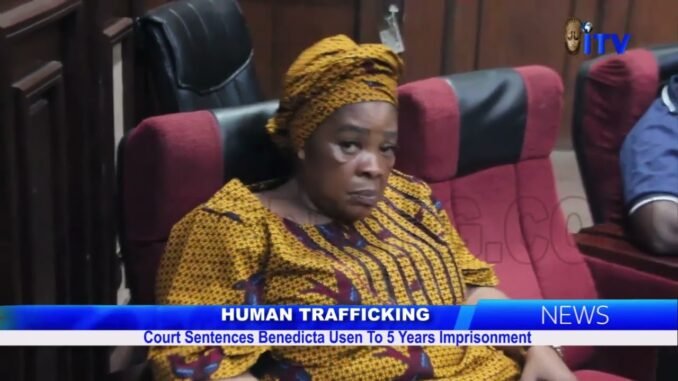

The battle against human trafficking in Nigeria has recorded another victory as a High Court in Maiduguri, Borno State, sentenced a 33-year-old woman, Salamatu Saidu, to five years imprisonment for engaging in the heinous crime of human trafficking.
The case, which was prosecuted by the National Agency for the Prohibition of Trafficking in Persons (NAPTIP), serves as a stern warning to those involved in this modern-day slavery that preys on vulnerable Nigerians, particularly women and children.
The Reality of Human Trafficking in Nigeria
Human trafficking remains one of Nigeria’s most pressing challenges, with countless young women and children falling victim to traffickers who promise them better opportunities abroad or in urban centers, only to subject them to forced labor, sexual exploitation, and other forms of abuse.
The Northeast region, including Borno State, has been particularly vulnerable due to the decade-long insurgency that has displaced millions and created desperate circumstances that traffickers exploit. Women and children in IDP camps and economically disadvantaged communities often become easy targets for these criminals.
NAPTIP’s Ongoing Fight
The National Agency for the Prohibition of Trafficking in Persons has been at the forefront of combating this menace through investigation, prosecution, and rehabilitation of victims. The agency’s successful prosecution of cases like Salamatu Saidu’s demonstrates the government’s commitment to protecting Nigerian citizens from exploitation.
This five-year sentence sends a clear message: human trafficking will not be tolerated, and those found guilty will face the full weight of the law.
What This Means for Nigerians
For everyday Nigerians, this case highlights several important points:
Stay Vigilant: Be wary of offers that seem too good to be true, especially promises of lucrative jobs abroad or in other states without proper documentation.
Report Suspicious Activities: If you notice anyone recruiting young people under questionable circumstances, report to NAPTIP immediately through their toll-free hotline.
Protect the Vulnerable: Communities must look out for widows, orphans, and displaced persons who are most susceptible to trafficking schemes.
The Way Forward
While this conviction is commendable, more work needs to be done. Stakeholders including government agencies, civil society organizations, religious and traditional leaders, and community members must collaborate to:
– Increase awareness about the tactics traffickers use
– Provide economic opportunities for vulnerable populations
– Strengthen border security to prevent illegal movement
– Ensure swift prosecution of traffickers
– Rehabilitate and reintegrate trafficking victims into society
As Nigeria continues to grapple with security and economic challenges, protecting our citizens from exploitation must remain a priority. The Salamatu Saidu case proves that justice can be served, but prevention is always better than cure.
If you or anyone you know is a victim of human trafficking or has information about trafficking activities, contact NAPTIP on their toll-free number or visit the nearest NAPTIP office. Your information could save a life.
Together, we can end human trafficking in Nigeria and ensure every citizen lives in dignity and freedom.
For more information, check buzzUp9ja
Be the first to comment