
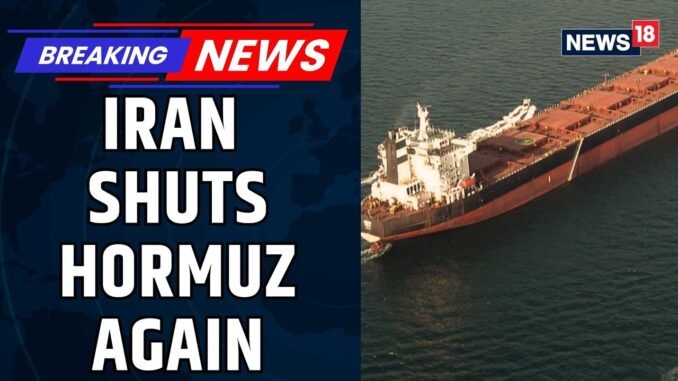

In a dramatic turn of events that has sent shockwaves through global oil markets, Iran’s military command announced the closure of the Strait of Hormuz on Saturday, April 18—just hours after reopening the critical waterway.
The U-Turn That Shocked the World
The Iranian military’s decision to shut down the strait again came barely 24 hours after Tehran had declared it open on Friday, April 17. This back-and-forth move has raised serious concerns about stability in one of the world’s most strategic maritime passages.
Why Should Nigerians Care?
For those wondering “wetin concern us with Iran matter?”, the answer is simple: everything.
The Strait of Hormuz is not just any waterway—it’s the jugular vein of global oil trade. About one-third of the world’s seaborne oil passes through this narrow channel, and any disruption here directly affects crude oil prices worldwide.
As Africa’s largest oil producer and a major player in OPEC, Nigeria’s economy is deeply tied to global oil dynamics. When tensions flare up in the Persian Gulf, our naira feels the impact too.
The Ripple Effect on Nigeria’s Economy
Here’s how this Iranian action could affect ordinary Nigerians:
1. Fuel Prices: If the closure persists, global oil prices could spike, potentially leading to increased petrol costs at Nigerian filling stations.
2. Government Revenue: Nigeria still depends heavily on oil revenue for its budget. Higher prices could boost government income, but sustained instability hurts long-term planning.
3. Foreign Exchange: Oil export earnings remain our primary source of foreign exchange. Any disruption to global oil trade affects our ability to stabilize the naira.
The Bigger Picture
This isn’t the first time Iran has flexed its muscles over the Strait of Hormuz. The Islamic Republic has repeatedly threatened to close the waterway during periods of heightened tension with Western powers, particularly the United States.
The strait, only 21 miles wide at its narrowest point, serves as a bottleneck for oil tankers leaving the Persian Gulf. Closing it is like putting a padlock on a major highway—it causes massive traffic problems for everyone.
What Happens Next?
As of now, the international community is closely monitoring the situation. Major oil-consuming nations, including China, India, and Japan, have significant interests in keeping the strait open.
For Nigeria, this situation underscores the urgent need to diversify our economy beyond oil. While we may benefit temporarily from higher oil prices, our vulnerability to external shocks like this remains a serious concern.
The federal government and relevant agencies will undoubtedly be watching developments closely, ready to adjust policies as needed to cushion any negative impacts on our economy.
Stay tuned for updates as this story develops. The coming days will be crucial in determining whether this closure is a brief flexing of military muscle or the beginning of a more serious crisis that could reshape global oil markets.
Check buzzUp9ja for more information
Be the first to comment