
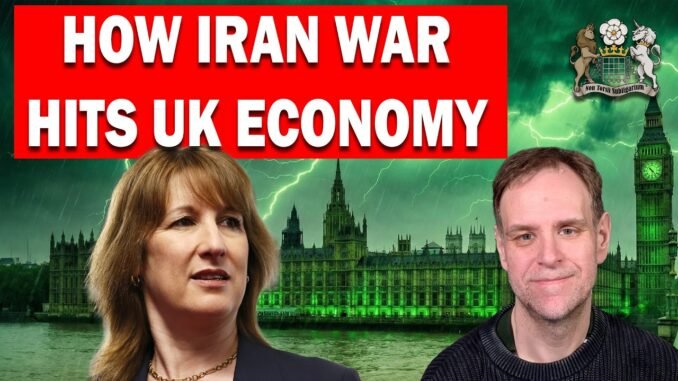

As conflict escalates in the Middle East, Britain’s economic projections take a hit, with potential ripple effects on oil prices and global markets that could impact Nigeria
The United Kingdom has revised downward its economic growth forecast for 2026, as fresh concerns over the expanding Iran conflict cast a shadow over global economic stability. The development has significant implications for oil-dependent economies, including Nigeria, as energy market volatility threatens to disrupt the fragile post-pandemic recovery.
British Chancellor Rachel Reeves delivered the sobering update in her Spring Statement, acknowledging that recent events in the Middle East have introduced dangerous uncertainties into the global economic landscape. “The government’s economic strategy is even more important in a world that in the last few days has become yet more uncertain with unfolding conflict in Iran and the Middle East,” Reeves stated.
Growth Projections Trimmed Amid Geopolitical Turbulence
According to the latest figures from the Office for Budget Responsibility (OBR), Britain now expects its economy to grow by just 1.1 per cent in 2026—a notable reduction from the 1.4 per cent projected in November 2024. The UK economy managed 1.3 per cent growth last year.
While forecasts for 2027 and 2028 received modest upgrades to 1.6 per cent, the OBR issued a stark warning that these projections were finalized before the weekend military strikes involving the United States and Israel against Iranian targets, followed by retaliatory actions across the region.
“Conflict in the Middle East, which escalated as we were finalising this document, could have very significant impacts on the global and UK economies,” the budget office cautioned in its March report.
Oil Market Jitters and Inflation Concerns
For Nigeria, Africa’s largest oil producer, the escalating Middle East crisis presents both risks and potential opportunities. While disruption to oil supplies could drive prices higher—potentially boosting government revenues—the broader economic impact of sustained conflict could dampen global demand and trigger recession fears in major economies.
The immediate concern centers on potential disruptions to oil and gas supplies from the Gulf region, which could reignite the energy crisis that sent prices soaring in 2022 following Russia’s invasion of Ukraine. Such developments would likely fuel inflation globally, hitting consumers with higher petrol prices and increased costs for goods and services.
European gas prices and global oil benchmarks have already surged following the outbreak of hostilities, forcing analysts to reconsider their expectations for interest rate cuts throughout 2026. The Bank of England, which had forecast inflation easing toward its 2 per cent target by April, now faces a more complicated outlook.
Labour’s Economic Headwinds Mount
Prime Minister Keir Starmer’s Labour government, which returned to power in July 2024, has struggled to jumpstart meaningful economic growth despite implementing tax increases in its first two budgets. The party inherited an economy still grappling with the aftershocks of Brexit, the COVID-19 pandemic, and the 2022 energy crisis.
Unemployment in Britain currently stands at 5.2 per cent—a five-year high—and is expected to climb further before peaking later in 2025. Officials project a gradual decline through to 2030, but those forecasts now appear increasingly optimistic given the deteriorating global situation.
What This Means for Nigeria
For Nigerian policymakers and businesses, the UK’s economic struggles and the broader Middle East conflict warrant close attention. Britain remains a significant trading partner and investor in Nigeria, and economic slowdown in major developed economies typically reduces demand for Nigerian exports beyond oil.
Additionally, while higher oil prices might seem beneficial in the short term, prolonged conflict and economic uncertainty could trigger the kind of demand destruction that ultimately hurts oil-producing nations. The 2008 financial crisis saw oil prices crash from record highs as global recession took hold—a scenario Nigeria’s economic planners would be wise to prepare for.
The Bank of England’s decision to hold its benchmark interest rate at 3.75 per cent in February, with hints at future cuts, reflected confidence in inflation control. However, Middle East instability could force central banks worldwide to maintain tighter monetary policies for longer, potentially slowing global growth and investment flows to emerging markets like Nigeria.
An Uncertain Road Ahead
As British officials acknowledged, the economic outlook remains “highly sensitive to developments in the Middle East.” With global energy markets under strain and geopolitical tensions at their highest level in years, the coming months will test the resilience of economies worldwide.
For Nigeria, balancing the potential short-term benefits of higher oil revenues against the longer-term risks of global economic slowdown will require careful navigation. The UK’s experience demonstrates how quickly economic projections can shift when geopolitical storms gather—a lesson relevant from London to Lagos.
Get more details by reading buzzUp9ja.
Be the first to comment