
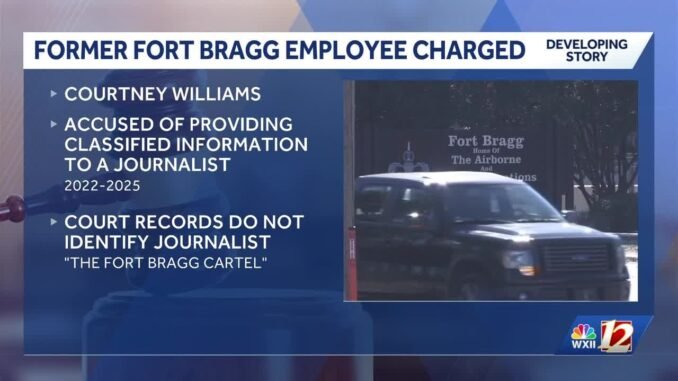

Summary: Courtney Williams, a 40-year-old ex-Delta Force operative, faces serious charges for allegedly sharing classified US defence information with a journalist, raising questions about military secrecy and press freedom.**
In a development that has sent shockwaves through American military circles, Courtney Williams, a former member of the highly secretive Delta Force unit, has been taken into custody by US authorities. The 40-year-old ex-soldier faces grave allegations of transmitting classified defence information to a journalist—charges that could see him spending significant time behind bars if convicted.
The Elite Soldier Turned Suspect
Delta Force, officially known as the 1st Special Forces Operational Detachment-Delta (1st SFOD-D), represents the cream of America’s military capability. These are the soldiers called upon for the most sensitive and dangerous missions—hostage rescues, counter-terrorism operations, and covert assignments that never make the evening news.
For Williams to have served in this unit means he underwent some of the most rigorous training imaginable and had access to some of America’s most closely guarded military secrets. Now, those very credentials have placed him at the centre of a major security investigation.
What We Know So Far
According to US authorities, Williams allegedly shared classified defence information with a journalist whose identity has not been publicly disclosed. The specific nature of the leaked information remains under wraps, as does the timeline of when these alleged transmissions occurred.
The charges against Williams fall under laws designed to protect national security information—legislation that carries severe penalties for those convicted of unauthorized disclosure of classified materials.
A Familiar Story with High Stakes
For Nigerians following international affairs, this case may ring familiar bells. Issues of leaked information, press freedom, and government secrecy are not unique to America. From WikiLeaks revelations to various scandals involving government officials and sensitive information, the tension between transparency and national security remains a global conversation.
The arrest raises important questions: Where is the line between whistleblowing and treason? What role should journalists play in revealing information the government wants kept secret? And how should societies balance the public’s right to know against legitimate security concerns?
The Legal Battle Ahead
Williams now faces the full weight of the American justice system. Cases involving classified information typically involve complex legal proceedings, often with portions conducted behind closed doors to prevent further disclosure of sensitive materials.
If convicted, he could face substantial prison time—previous cases of this nature have resulted in sentences ranging from several years to decades behind bars, depending on the severity and impact of the leaked information.
The Bigger Picture
This case arrives at a time when debates about government transparency, military accountability, and press freedom continue to intensify worldwide. In Nigeria, we’ve had our own conversations about freedom of information, the role of investigative journalism, and the balance between state security and public knowledge.
As a former member of one of America’s most elite military units, Williams would have signed extensive non-disclosure agreements and undergone thorough training on handling classified information. His alleged decision to share such information with a journalist—if proven—represents a serious breach of that trust.
What Happens Next?
The case will now proceed through the US legal system, with prosecutors required to prove beyond reasonable doubt that Williams knowingly transmitted classified information without authorization. His defence team will likely scrutinize every aspect of the charges, from the classification status of the alleged leaked materials to the circumstances surrounding their transmission.
For now, the full story remains obscured by the very secrecy laws at the heart of the case. As proceedings unfold, more details may emerge about what information was allegedly shared and why Williams—if guilty—chose to take such a risk.
The outcome of this case could have implications far beyond one former soldier’s fate, potentially influencing how military personnel, journalists, and government officials approach sensitive information in the years to come.
This is a developing story. Updates will be provided as more information becomes available.
Check buzzUp9ja for more details
Be the first to comment