
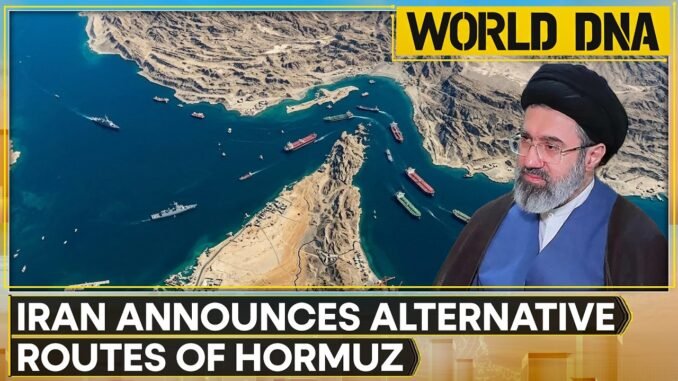

Summary: Iran redirects ships through alternative routes in the Strait of Hormuz due to sea mine risks. Learn how this affects global oil trade and Nigeria’s petroleum imports.
The Islamic Republic of Iran has instructed vessels passing through the strategic Strait of Hormuz to use alternative routes, citing potential dangers from sea mines in the primary shipping channel.
This development comes at a critical time for global energy security, as the Strait of Hormuz serves as one of the world’s most vital oil chokepoints—a waterway that handles roughly one-fifth of global petroleum trade.
Why This Matters to Nigeria
For Nigeria, this announcement carries significant weight. Although we are a major oil producer ourselves, our refineries have historically relied on importing refined petroleum products. Any disruption in global shipping routes can trigger price fluctuations in the international oil market, which ultimately affects fuel prices at Nigerian pumps.
The Strait of Hormuz connects the Persian Gulf with the Gulf of Oman and the Arabian Sea, serving as the primary maritime passage for oil exports from Saudi Arabia, Iran, the UAE, Kuwait, and Iraq—countries that collectively supply a substantial portion of the world’s crude oil.
Understanding the Strategic Significance
The narrow waterway, at its narrowest point just 21 miles wide, has long been a flashpoint for regional tensions. Any disruption to shipping through this corridor can send ripples through global energy markets, affecting everything from aviation fuel costs to the price of diesel for Nigerian transporters and traders.
Iran’s Revolutionary Guard issued the new guidance to maritime traffic, marking a notable shift in navigation protocols for one of the world’s busiest shipping lanes. While the announcement cites sea mine concerns, regional observers note that such declarations often carry broader geopolitical implications.
Impact on Global Trade
Maritime insurance companies and shipping firms will likely reassess their routes and premiums based on this development. For Nigerian businesses that import goods from Asia and the Middle East, this could mean potential delays or increased shipping costs as vessels navigate alternative passages.
The international community continues to monitor the situation closely, as stable passage through the Strait of Hormuz remains essential for global economic stability and energy security.
As this story develops, Nigerian importers and economic planners will be watching carefully to assess any potential impact on our local markets and supply chains.
Visit buzzUp9ja for more updates
Be the first to comment