
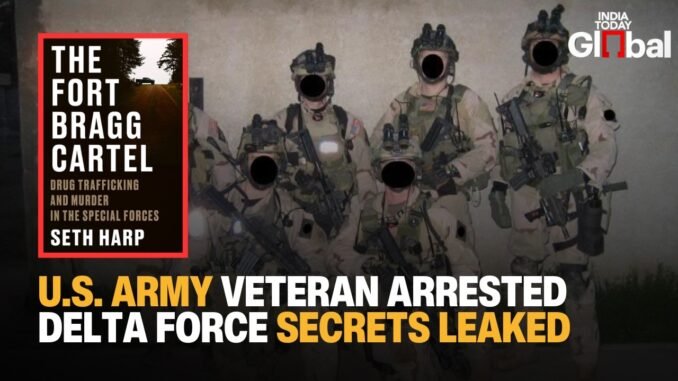

In a shocking development that has sent ripples through American military and intelligence circles, a former elite operative from the legendary Delta Force has been arrested on serious charges of leaking classified defence information to the media.
Courtney Williams, a 40-year-old ex-soldier who once operated at the highest levels of America’s special operations community, now faces federal charges for allegedly transmitting sensitive military secrets to a journalist. The arrest highlights the ongoing tension between government secrecy and press freedom—a debate Nigerians are all too familiar with, given our own experiences with classified information and transparency issues.
Who is Courtney Williams?
Williams wasn’t just any ordinary serviceman. He was part of Delta Force, officially known as the 1st Special Forces Operational Detachment-Delta (1st SFOD-D). For those unfamiliar, Delta Force is to the US military what Nigeria’s Special Forces are to our own armed forces—the cream of the crop, handling the most sensitive and dangerous missions that regular soldiers never even hear about.
These are the men who operate in the shadows, conducting counter-terrorism operations, hostage rescues, and classified missions in some of the world’s most dangerous hotspots. The fact that someone with such high-level clearance is now accused of leaking secrets makes this case particularly serious.
The Allegations
According to US authorities, Williams is accused of illegally transmitting classified national defence information to a journalist. While specific details of what was leaked remain under wraps (ironically, those details are themselves classified), the charges suggest the information could potentially compromise American military operations or intelligence gathering capabilities.
The case raises important questions about the balance between national security and the public’s right to know—a conversation that resonates deeply in Nigeria, where journalists and whistleblowers often face similar dilemmas when exposing government wrongdoing or classified operations.
Why This Matters to Nigerians
You might wonder why Nigerians should care about an American soldier’s arrest thousands of miles away. The truth is, this case touches on universal issues that affect us all:
Press Freedom vs National Security: Just like Nigeria, the United States constantly grapples with how much information should remain classified. Our own journalists have faced harassment, detention, and worse for publishing sensitive stories about military operations, government corruption, or security challenges.
Whistleblower Protection: When does revealing classified information become a patriotic duty rather than a crime? Nigerians who’ve watched our own whistleblowers face retaliation will recognize this dilemma.
Military Accountability: How do citizens hold their armed forces accountable when so much operates behind a veil of secrecy? This question troubles both American and Nigerian civil society.
The Legal Battle Ahead
Williams now faces prosecution under American laws governing the protection of classified information. If convicted, he could face substantial prison time—a fate that has befallen other American whistleblowers and leakers, from Chelsea Manning to Reality Winner.
The journalist who received the information has not been charged, reflecting America’s strong (though not absolute) protections for press freedom. In Nigeria, unfortunately, both the leaker and the journalist often face legal jeopardy, as we’ve seen in cases involving reporting on Boko Haram, banditry, or military operations.
A Cautionary Tale
This arrest serves as a sobering reminder of the serious consequences that come with handling classified information in any country. For military personnel, intelligence officers, and government officials in Nigeria and beyond, the message is clear: the oath to protect national secrets carries weight, and violations will be prosecuted.
Yet it also reminds us of the crucial role that brave individuals sometimes play in exposing wrongdoing, corruption, or illegal activities hidden behind classification stamps. The challenge—in Washington, Abuja, or anywhere else—is determining where legitimate whistleblowing ends and dangerous security breaches begin.
The Bigger Picture
As Nigeria continues strengthening its own security apparatus and intelligence capabilities in the fight against insurgency, banditry, and terrorism, we too must wrestle with these same questions about transparency, accountability, and classified information.
The Williams case will likely be watched closely by security experts, journalists, and civil liberties advocates around the world—including here in Nigeria, where we’re constantly negotiating the delicate balance between security needs and democratic transparency.
For now, Courtney Williams awaits his day in court, where the full story of what he allegedly leaked—and why—will eventually emerge. Whether he’ll be remembered as a traitor who endangered lives or a whistleblower who exposed wrongdoing remains to be seen.
What do you think? Should those who leak classified information be prosecuted as criminals or protected as whistleblowers? Share your thoughts in the comments below.
Visit buzzUp9ja for more updates
Be the first to comment