
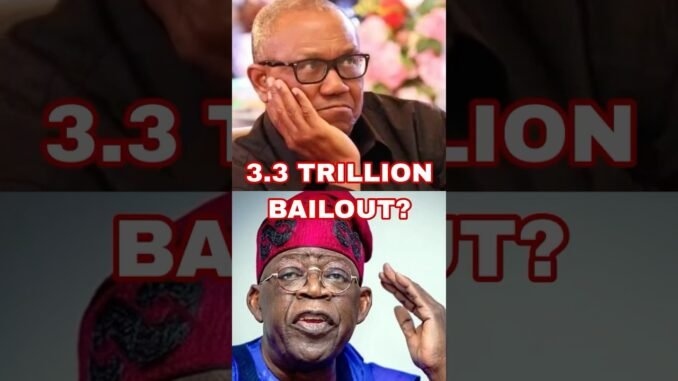

The Presidency has moved to clear the air on the controversial ₦3.3 trillion debt settlement plan approved by President Bola Ahmed Tinubu for power generation companies (GenCos) operating across Nigeria. This clarification comes amid widespread public debate about the astronomical figure and what it means for ordinary Nigerians struggling with persistent electricity challenges.
Understanding the ₦3.3 Trillion Question
The Federal Government has insisted that the debt settlement initiative is a structured, long-term arrangement designed to address decades of financial mismanagement in Nigeria’s power sector. According to Presidency sources, this is not a cash handout but rather a comprehensive payment plan aimed at stabilizing the electricity generation capacity that has long plagued Africa’s most populous nation.
For years, Nigerian households and businesses have endured erratic power supply, with many areas experiencing less than four hours of electricity daily. The financial crisis facing GenCos has been identified as one of the root causes of this perennial problem, with these companies owed massive sums by distribution companies and other stakeholders in the power value chain.
Breaking Down the Settlement Plan
The debt settlement framework reportedly covers outstanding payments accumulated over several years. These debts have crippled the operational capacity of generation companies, preventing them from maintaining equipment, purchasing gas supplies, and investing in infrastructure upgrades that could improve electricity generation nationwide.
Presidential spokespersons emphasized that the settlement plan follows a structured timeline, with payments spread across multiple years rather than being disbursed as a lump sum. This approach, they argue, protects government finances while providing GenCos with the financial certainty needed to plan operations and investments.
Why This Matters to Every Nigerian
The electricity crisis affects every aspect of Nigerian life. Small business owners spend fortunes on fuel for generators, families struggle to preserve food without reliable refrigeration, and industries operate at reduced capacity due to power constraints. The ripple effects touch education, healthcare, manufacturing, and virtually every economic sector.
By addressing the financial hemorrhaging in the power sector, the government hopes to create conditions for improved electricity supply. However, many Nigerians remain skeptical, having witnessed numerous promises of power sector reform over the years without corresponding improvements in their daily experience.
Public Reactions and Concerns
The announcement has generated mixed reactions across social media and traditional platforms. While some analysts acknowledge that resolving the debt crisis is necessary for sector recovery, others question why such enormous sums are being directed toward private companies when millions of Nigerians lack basic amenities.
Critics have also raised concerns about accountability mechanisms to ensure that this massive financial intervention translates into tangible improvements for consumers. There are calls for transparent monitoring systems and clear performance benchmarks that GenCos must meet to justify the settlement.
The Road Ahead
As this debt settlement plan unfolds, the critical question remains: Will Nigerians finally experience the reliable electricity supply that has eluded the nation for decades? The government’s commitment to transparency in implementing this initiative will be crucial in maintaining public trust.
The Presidency has promised regular updates on the progress of the settlement plan and its impact on power generation capacity. Nigerians will be watching closely, hoping that this latest intervention succeeds where previous efforts have failed.
For now, the focus shifts to implementation—ensuring that the ₦3.3 trillion commitment actually translates to more hours of electricity in homes, lower generator fuel costs for businesses, and a more competitive economy powered by reliable energy supply.
—
What are your thoughts on this debt settlement plan? Do you believe it will finally solve Nigeria’s electricity problem? Share your views in the comments below.
check for more updates on buzzUp9ja
Be the first to comment