
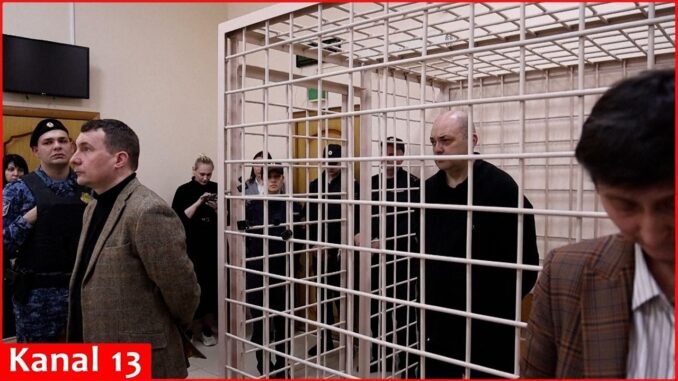

In a major anti-corruption move that has captured international attention, Russian judicial authorities have handed down a 14-year prison sentence to Alexei Smirnov, the former governor of Kursk region, after finding him guilty of accepting kickbacks linked to construction contracts for defensive fortifications along the country’s border.
The Charges That Brought Down a Governor
The sentencing, delivered by a court in the Kursk region, marks one of the most significant corruption cases involving a high-ranking Russian official in recent times. Smirnov, who previously held the powerful position of governor in the strategically important border region, was accused of receiving illegal payments in connection with contracts awarded for building military defensive structures.
The Kursk region, which shares a border with Ukraine, has become increasingly important in Russia’s security calculations, making the case even more sensitive given the strategic nature of the projects involved.
Understanding the Corruption Scheme
According to court proceedings, Smirnov allegedly exploited his position to demand and receive kickbacks from contractors who were awarded lucrative government contracts to construct fortifications meant to strengthen Russia’s border defences. These types of schemes, unfortunately common in many countries including Nigeria, involve public officials using their influence to extract personal benefits from those seeking government contracts.
The 14-year sentence reflects the serious view Russian authorities are taking toward corruption, particularly when it involves national security infrastructure and public funds meant for defence purposes.
Why This Case Matters
For Nigerians watching international anti-corruption efforts, this case offers several important lessons:
Accountability at High Levels: The conviction of a regional governor demonstrates that even powerful officials can face consequences for corrupt practices, regardless of their political connections.
Strategic Infrastructure Vulnerability: When corruption affects defence and security projects, it doesn’t just waste public money—it potentially compromises national security.
Lengthy Sentences Send Messages: The 14-year term is meant to serve as a deterrent to other officials who might be tempted to engage in similar corrupt practices.
The Broader Context
Russia, like many nations globally, continues to grapple with systemic corruption challenges. While President Vladimir Putin has periodically launched anti-corruption campaigns, critics argue that prosecutions often target political opponents or those who have fallen out of favour with the Kremlin.
The Kursk case is particularly significant because it involves infrastructure directly related to Russia’s ongoing military concerns and border security—areas where the government has zero tolerance for mismanagement or theft of public resources.
Lessons for Nigeria’s Anti-Corruption Fight
As Nigeria continues its own battles against corruption through agencies like the EFCC and ICPC, cases like Smirnov’s offer valuable insights:
1. No Sacred Cows: Effective anti-corruption efforts must be willing to prosecute powerful officials, not just low-level civil servants.
2. Deterrent Sentencing: Meaningful jail terms can discourage others from engaging in corrupt practices.
3. Focus on Strategic Sectors: Special attention should be paid to corruption in security, defence, and infrastructure projects where the stakes are highest.
4. Follow the Money: Tracking kickbacks and illicit payments requires robust financial intelligence and investigation capabilities.
What Happens Next?
With the 14-year sentence now handed down, Smirnov’s legal team may pursue appeals through Russia’s higher courts. However, given the conviction and the severity of the sentence, the former governor faces more than a decade behind bars unless successful in overturning the verdict.
The case also raises questions about other officials who may have been involved in similar schemes, and whether Russian authorities will pursue additional investigations into corruption within regional governments.
The Bottom Line: The jailing of former Kursk Governor Alexei Smirnov sends a strong message about the consequences of corruption, particularly when it involves strategic national security projects. As countries worldwide, including Nigeria, work to strengthen their anti-corruption frameworks, cases like this remind us that accountability and transparency remain essential pillars of good governance.
What are your thoughts on this development? Should Nigeria adopt similar tough sentencing for corrupt officials? Share your views in the comments below.
For more details, visit buzzUp9ja
Be the first to comment