
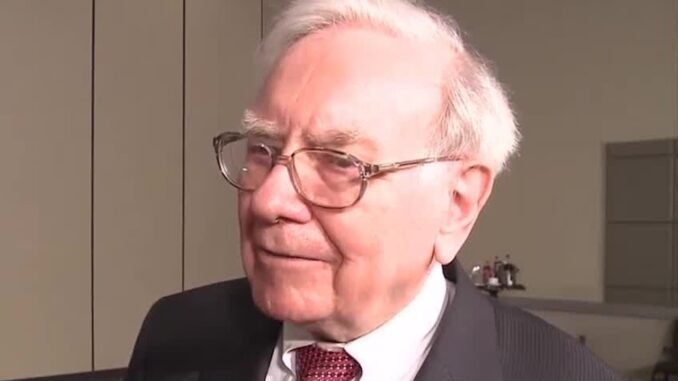

Warren Buffett, the legendary investor and retired CEO of Berkshire Hathaway, has made it clear that he harbors no regrets about his monumental $36 billion donation to the Bill and Melinda Gates Foundation—even in light of the troubling revelations about Bill Gates’ association with convicted sex offender Jeffrey Epstein.
The Oracle of Omaha Speaks His Mind
For those unfamiliar with Warren Buffett, he’s not just any wealthy businessman. The 93-year-old American investor, often called the “Oracle of Omaha,” is one of the world’s most successful investors and philanthropists. His word carries weight in global financial circles, and Nigerians in the investment community have long studied his value-investing philosophy.
Buffett’s massive donation to the Gates Foundation represents one of the largest philanthropic commitments in human history. The foundation has funded numerous health and development initiatives worldwide, including several projects across Africa—from polio eradication campaigns to agricultural development programs that have touched Nigerian communities.
The Epstein Scandal: A Cloud Over Philanthropy
The controversy stems from reports that Bill Gates met with Jeffrey Epstein multiple times, even after Epstein’s 2008 conviction for soliciting prostitution from a minor. These revelations contributed to the breakdown of Bill and Melinda Gates’ marriage and raised questions about judgment and associations in philanthropic circles.
For many observers, including those in Nigeria’s growing tech and business ecosystem, the scandal prompted soul-searching about separating personal conduct from institutional impact. Should the foundation’s good works be judged independently of its founder’s questionable associations?
Why Buffett Remains Unmoved
Warren Buffett’s position is remarkably straightforward: he evaluates the Gates Foundation based on its actual work and impact, not on the personal failings or poor judgment of its founders.
This stance reflects a pragmatic approach that resonates with many Nigerians who understand that institutions often outlive and transcend their founders. After all, shouldn’t we judge organizations by their fruits rather than by every misstep of those who established them?
The Gates Foundation’s work in Nigeria alone—supporting initiatives in healthcare delivery, vaccine distribution, and agricultural innovation—has positively impacted millions of lives. These tangible results appear to form the basis of Buffett’s continued confidence in his donation.
A Lesson in Separating Person from Purpose
Buffett’s unwavering stance offers an important lesson for Nigeria’s emerging philanthropic class and social entrepreneurs: the separation between personal conduct and institutional mission matters.
As more Nigerian billionaires and successful entrepreneurs consider their own legacies and charitable commitments, the Buffett approach suggests focusing on governance structures, transparency, and measurable outcomes rather than personality cults around founders.
The Bigger Picture on Philanthropy
For a country like Nigeria, where philanthropic giving is growing but still developing institutional frameworks, Warren Buffett’s perspective is instructive. It suggests that:
1. Due diligence matters more than personalities – Evaluate charitable organizations by their impact metrics and governance
2. Institutional safeguards protect missions from individual failings
3. Long-term impact should be the primary measure of philanthropic success
What This Means for Global Giving
Buffett’s decision not to withdraw his support—despite having every moral justification to do so—sends a powerful message to the global philanthropic community. It suggests that well-governed charitable institutions with proven track records deserve continued support, even when founders stumble.
This is particularly relevant as Nigerian philanthropists and foundations increasingly partner with international organizations on development projects. The focus should remain on institutional integrity and measurable impact rather than the unblemished reputation of any single individual.
The Takeaway
Warren Buffett’s steadfast position on his Gates Foundation donation demonstrates a mature approach to philanthropy that prioritizes results over reputation. For Nigerians watching from the intersection of business, charity, and social impact, there’s wisdom in this stance.
As our own philanthropic sector matures, we would do well to build institutions that can weather storms, maintain focus on their missions, and deliver results regardless of individual controversies. After all, the beneficiaries of charitable work—whether in rural Nigerian communities or urban centers—care most about solutions to their problems, not the personal lives of distant billionaires.
Warren Buffett seems to understand this fundamental truth, and his unwavering commitment to impact over scandal provides a masterclass in principled philanthropy.
What are your thoughts on separating personal conduct from institutional impact in philanthropy? Should Nigerian foundations adopt similar governance structures to protect their missions? Share your views in the comments below.
Stay connected for more on buzzUp9ja
Be the first to comment