

Summary: Israeli PM Benjamin Netanyahu says recent military campaigns have significantly weakened Iran, Hamas, and Hezbollah. Get the latest updates on Middle East tensions and Israel’s defense strategy.
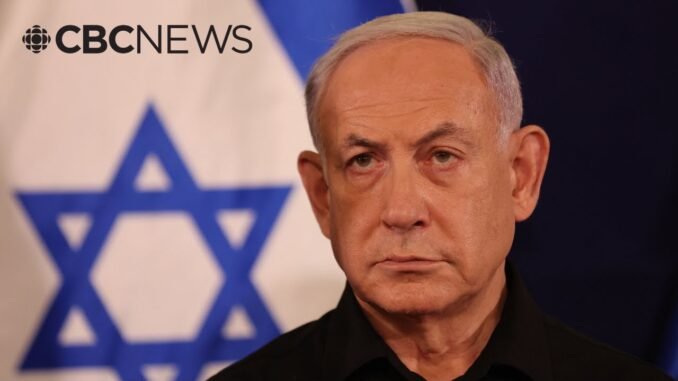
Israeli Prime Minister Benjamin Netanyahu has come out strongly to defend his country’s recent military operations across the Middle East, making bold claims that longtime adversaries now pose minimal threats to Israeli security.
In what many analysts are calling a defining moment in his leadership, Netanyahu addressed concerns about Israel’s ongoing military campaigns against Iran and the militant organizations Hamas and Hezbollah. According to the Israeli leader, these groups have been substantially weakened by Israel’s coordinated military response.
Background to the Conflict
For Nigerians following international affairs, the Israeli-Palestinian conflict and broader Middle East tensions have been ongoing for decades. The situation escalated dramatically in recent months, with Israel engaging in simultaneous military operations on multiple fronts.
Hamas, which controls the Gaza Strip, has been in a protracted conflict with Israel. Hezbollah, a Lebanese militant group, operates along Israel’s northern border, while Iran has long been considered Israel’s most significant regional adversary, supporting various groups opposed to Israeli interests.
Netanyahu’s Strong Stance
The Prime Minister’s latest statements come amid international scrutiny of Israel’s military tactics and the humanitarian situation in affected areas. However, Netanyahu remains unapologetic, insisting that the operations were necessary for Israeli security and have achieved their strategic objectives.
“These threats have been significantly degraded,” sources close to Netanyahu quoted him as saying, though he acknowledged that vigilance remains necessary.
Regional Implications
For Nigeria and other African nations maintaining diplomatic relations with Middle Eastern countries, the developments carry weight. Many Nigerian students study in the region, and the country maintains economic and diplomatic ties with various Middle Eastern states.
The ongoing tensions also affect global oil prices, which directly impact Nigeria’s economy as a major oil producer. Any escalation or de-escalation in the Middle East tends to have ripple effects on international crude oil markets.
International Response
The international community remains divided on the issue. While some Western nations support Israel’s right to self-defense, others, including several African and Middle Eastern countries, have called for restraint and expressed concerns about civilian casualties.
The United Nations and various humanitarian organizations continue to monitor the situation closely, particularly regarding the welfare of civilians caught in conflict zones.
What This Means Going Forward
Netanyahu’s confident assessment suggests Israel may be preparing to shift from active military operations to a more defensive posture. However, observers note that the situation remains fluid, and declarations of victory in the complex Middle Eastern landscape often prove premature.
As the situation continues to develop, the eyes of the world remain fixed on the region, hoping for a path toward lasting peace and stability.
Stay connected with us for more updates on global affairs affecting Nigeria and the African continent.
Check buzzUp9ja for more stories
Be the first to comment