
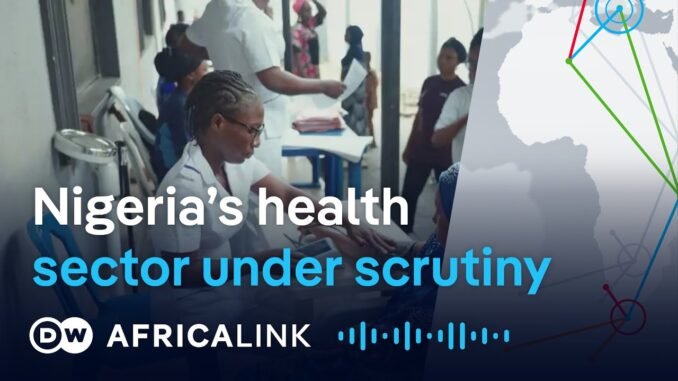

The harsh reality of Nigeria’s healthcare system has once again been brought to the forefront as Nigerians on X (formerly Twitter) share gut-wrenching stories of medical emergencies that exposed the devastating gap between life-saving care and affordability.
When ₦9,000 Stands Between Life and Death
In a thread that has resonated with thousands of Nigerians, users shared personal experiences that paint a sobering picture of the country’s healthcare challenges. One particularly harrowing account detailed the plight of a man who arrived at a hospital with only ₦9,000 in his pocket—while his wife desperately needed intensive care and their newborn required Special Care Baby Unit (SCBU) admission.
The story, which emerged from discussions on X, highlights what many Nigerian families face daily: the impossible choice between life-saving medical care and financial reality.
The Antepartum Eclampsia Case That Shocked Many
One X user recounted witnessing a woman suffering from antepartum eclampsia—a life-threatening condition characterized by high blood pressure and seizures during pregnancy. This medical emergency requires immediate intervention, intensive monitoring, and often leads to emergency delivery to save both mother and child.
In developed healthcare systems, such cases are handled swiftly with the full arsenal of medical resources. In Nigeria, however, the story often begins with a different question: “Can you pay?”
The True Cost of Emergency Healthcare in Nigeria
For context, the average cost of ICU admission in Nigerian hospitals ranges from ₦50,000 to ₦200,000 per day in private facilities, while SCBU care for newborns can cost between ₦30,000 to ₦100,000 daily, depending on the facility and level of care required.
When both mother and baby need critical care simultaneously, families can be looking at bills exceeding ₦500,000 within just the first few days—an amount that represents several months’ salary for the average Nigerian worker.
“We’ve Heard These Stories Before”
The X thread quickly became a space for Nigerians to share similar experiences:
– Families forced to source funds through social media appeals while their loved ones’ conditions deteriorated
– Patients detained in hospitals for inability to pay medical bills
– Medical personnel caught between professional duty and hospital policies demanding upfront payment
– Lives lost while families scrambled to raise funds
These aren’t isolated incidents. They represent a systemic crisis in Nigeria’s healthcare delivery that cuts across socioeconomic classes, though it hits the poor and middle class hardest.
The National Health Insurance Scheme: Why Isn’t It Working?
Nigeria’s National Health Insurance Authority (NHIA) was designed to address exactly these situations. However, coverage remains limited, with less than 5% of Nigerians enrolled in any form of health insurance scheme.
Even for those with coverage, many emergency situations reveal the limitations:
– Lengthy processing times during emergencies
– Limited network of participating hospitals
– Caps on coverage that fall short of actual costs
– Exclusions for certain conditions or procedures
The Ripple Effects on Nigerian Families
Medical emergencies don’t just drain bank accounts—they create debt cycles that can last generations. Families sell land, withdraw children from school, borrow at predatory interest rates, or deplete entire life savings for a single medical emergency.
The psychological trauma compounds the financial burden. The guilt of being unable to afford care for a loved one, the helplessness of watching preventable deaths, and the anxiety of future medical needs create mental health challenges that go largely unaddressed.
Healthcare Workers Are Struggling Too
It’s important to note that many healthcare workers in Nigeria are equally frustrated by this system. Doctors and nurses often find themselves in impossible positions—trained to save lives but bound by institutional policies that prioritize payment.
Some medical professionals have shared their own stories of personally contributing to patients’ bills, organizing fundraisers among staff, or bending rules at great professional risk to ensure patients receive care.
What Needs to Change?
As these stories circulate on social media, Nigerians are calling for:
1. Expanded health insurance coverage with realistic caps that reflect actual healthcare costs
2. Emergency care protocols that prioritize stabilization before payment discussions
3. Government subsidies for critical care units and emergency obstetric services
4. Transparent pricing in healthcare facilities to prevent exploitation
5. Strengthened primary healthcare to prevent emergencies through better prenatal and preventive care
The Power of Community Response
While systemic solutions remain elusive, Nigerians have shown remarkable communal solidarity. Social media platforms have become virtual town squares where appeals are made and funds raised within hours.
However, charity cannot substitute for a functional healthcare system. Every successful fundraising story represents a policy failure—a gap that shouldn’t exist in a nation of Nigeria’s resources and potential.
Moving Forward
The conversation sparked by these X threads is more than social media discourse—it’s a national reckoning with healthcare as a human right versus healthcare as a commodity.
For the man with ₦9,000 facing ICU and SCBU costs, for the woman with eclampsia, and for countless other Nigerians, the question isn’t whether Nigeria can afford better healthcare—it’s whether Nigeria can afford not to prioritize it.
As one X user poignantly noted: “We cannot continue to crowdfund our way out of a healthcare crisis. This is bigger than all of us, and it requires leadership that sees healthcare not as a privilege but as the foundation of a functional society.”
—
These stories serve as painful reminders that behind every healthcare statistic is a human being, a family, and a community affected by systemic inadequacies. The conversation must continue until it translates into meaningful policy change and accessible, affordable healthcare for all Nigerians.
Get more stories on buzzUp9ja
Be the first to comment