
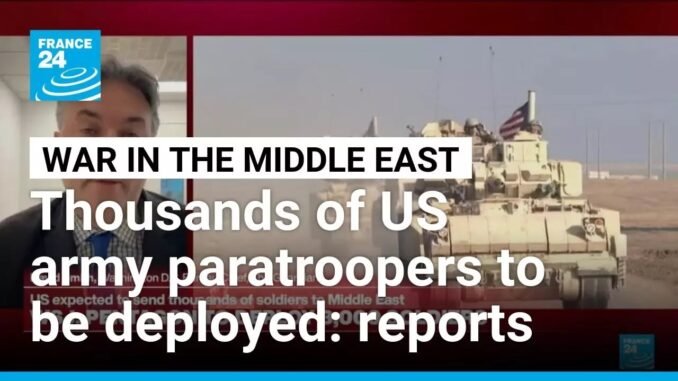

The United States is gearing up to send thousands of additional troops to the Middle East, a move that signals America’s continued military presence in one of the world’s most volatile regions. This deployment comes at a time when talks about a potential agreement with Iran remain shaky and uncertain.
What’s Behind This Latest Military Buildup?
For Nigerians watching international developments closely—especially those with interests in global oil markets and regional stability—this news carries significant weight. The Middle East has long been a flashpoint for military tensions, and any escalation affects everything from crude oil prices to international security dynamics.
The troop deployment represents Washington’s response to what it perceives as ongoing threats in the region. While exact numbers haven’t been officially confirmed, military sources suggest the deployment could involve several thousand service members, adding to the already substantial American military footprint across Middle Eastern nations.
The Iran Factor
At the heart of this military expansion lies the complicated relationship between the United States and Iran. Despite occasional diplomatic overtures and behind-the-scenes negotiations, the two nations remain at odds over multiple issues, including Iran’s nuclear programme, its regional influence, and support for various armed groups across the Middle East.
For Nigeria, a fellow oil-producing nation, developments involving Iran carry particular significance. Any major conflict in the Persian Gulf region could disrupt global oil supplies and send prices soaring—a double-edged sword that might boost revenue for oil exporters like Nigeria while potentially destabilizing the global economy.
What This Means for Regional Stability
The increased American military presence raises important questions about the future of Middle Eastern stability. Will this show of force deter aggression, or could it escalate tensions further? Military analysts remain divided on whether such deployments actually prevent conflicts or inadvertently contribute to a cycle of provocation and response.
Nigerian observers of international affairs will recognize similar patterns from our own region, where external military involvement often produces mixed results. The lesson from West Africa’s experience with foreign military partnerships is that lasting peace typically requires diplomatic solutions backed by regional cooperation, not just military might.
The Global Implications
As a nation deeply integrated into the global economy, Nigeria cannot afford to ignore developments in the Middle East. Beyond oil prices, these tensions affect:
– International shipping routes through critical waterways like the Strait of Hormuz
– Global economic confidence and investment flows
– Regional alliances that could reshape international power dynamics
– Counter-terrorism cooperation that extends beyond the Middle East to regions including West Africa
The Diplomatic Path Forward
Despite the military buildup, diplomatic channels between Washington and Tehran remain theoretically open. The real question is whether both sides possess the political will to pursue genuine dialogue over confrontation.
History shows us—from Nigeria’s own experience managing internal conflicts and regional tensions—that sustainable peace rarely comes from military deployments alone. It requires patient diplomacy, mutual compromise, and a genuine commitment to addressing underlying grievances.
What Happens Next?
As this situation continues to unfold, several key factors will determine whether the Middle East moves toward stability or further conflict:
1. Iran’s response to the increased American military presence
2. The success or failure of ongoing diplomatic negotiations
3. Regional actors’ positions, including Saudi Arabia, Israel, and other Gulf states
4. Global powers’ involvement, particularly Russia and China’s roles in the region
For Nigerians, staying informed about these developments isn’t just about following international news—it’s about understanding forces that directly impact our economy, our energy sector, and our nation’s place in an interconnected world.
As President Bola Tinubu’s administration navigates Nigeria’s own security challenges while maintaining our position as a regional leader and global oil producer, the lessons from the Middle East remind us that military solutions alone rarely bring lasting peace. True security requires diplomacy, economic development, and addressing the root causes of conflict.
The coming weeks will reveal whether this latest American troop deployment leads to de-escalation through deterrence or pushes the region closer to another devastating conflict. Either way, Nigeria—and the world—will be watching closely.
For more updates, check buzzUp9ja
Be the first to comment