
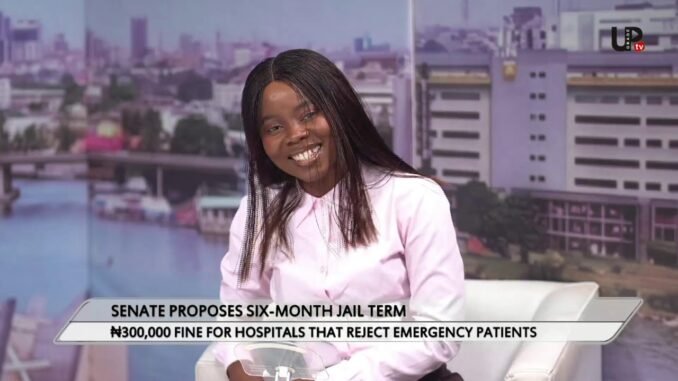

Summary: The Nigerian Senate is pushing for strict penalties against hospitals that reject emergency cases. Here’s what the proposed bill means for healthcare providers and patients across Nigeria.
—
If you or someone you love has ever been turned away from a hospital during a life-threatening emergency, you already know the frustration — and the deadly consequences that can follow. Now, the Nigerian Senate is taking a bold step to put an end to this dangerous practice once and for all.
What Is the Senate Proposing?
The Nigerian Senate is currently considering a groundbreaking bill that would make it a criminal offence for any hospital or healthcare provider to reject a patient presenting with a medical emergency. Under the proposed legislation, offenders could face:
– Up to six months in prison
– A fine of N300,000
– Or both penalties, depending on the severity of the case
This means that any hospital — whether private or public — that turns away a patient in critical condition could have its management facing handcuffs and a hefty fine.
Why This Bill Matters for Nigerians
Let’s be honest — the “we don’t have bed space” or “you need to pay a deposit first” response from hospitals has cost too many Nigerian lives. From road accident victims bleeding out in front of hospital gates to pregnant women in labour being redirected from one facility to another, the stories are both heartbreaking and all too familiar.
This bill, if passed into law, would serve as a powerful deterrent against the culture of financial gatekeeping that has plagued Nigeria’s healthcare system for decades.
What This Means for Hospitals and Healthcare Providers
For private hospitals especially, this legislation signals that the days of demanding upfront payments before attending to emergency patients may soon be over — legally speaking. Healthcare providers will need to:
– Review their emergency response policies
– Train staff on legal obligations regarding emergency care
– Ensure that emergency cases are stabilised before any discussion of payment or referral
The Bigger Picture
This proposed bill aligns Nigeria with global best practices. In many countries, abandoning a patient in a medical emergency is not just unethical — it is a criminal act. The Senate’s move suggests a growing recognition that access to emergency healthcare should be treated as a fundamental right, not a privilege reserved for those who can afford to pay first.
What Nigerians Are Saying
Many Nigerians have welcomed the news, with social media buzzing with reactions from people who have personally experienced — or lost loved ones to — hospital rejection. The general sentiment? It’s long overdue.
However, some healthcare advocates have raised important questions: Will the bill also address the systemic underfunding of public hospitals that sometimes forces difficult decisions on overwhelmed medical staff? A law without proper infrastructure backing it may still leave gaps in emergency care delivery.
Final Thoughts
The Senate’s proposed bill is a step in the right direction. No Nigerian should die at a hospital gate because of bureaucracy or the inability to pay upfront. As the bill progresses through the legislative process, Nigerians will be watching closely to see whether it becomes the lifesaving law the country desperately needs.
—
Stay informed. Share this article with family and friends so they know their rights when it comes to emergency healthcare in Nigeria.
Stay connected to buzzUp9ja for more updates
Be the first to comment