
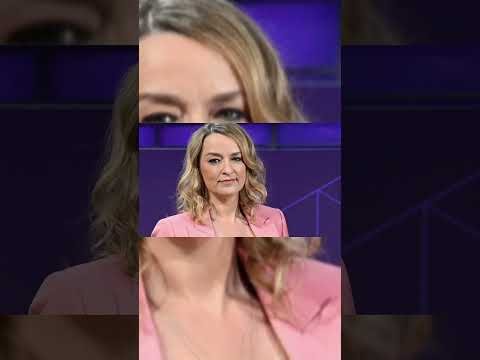

A top BBC journalist has opened up about deeply unsettling experiences with government officials — and the story is sparking major conversations about power, boundaries, and professional respect.
BBC’s renowned political presenter, Laura Kuenssberg, has pulled back the curtain on some deeply uncomfortable situations she faced while covering British politics at the highest level. Among the most shocking? Being lured to a hotel meeting, only to discover that a government minister had something far from professional on his mind — and his wife was apparently in on it too.
Kuenssberg, who many Nigerian viewers will recognise as one of the BBC’s most prominent faces — a woman who has interviewed Prime Ministers and held the most powerful people in Britain to account — revealed that a minister and his wife essentially propositioned her at a party conference. What was supposed to be a professional encounter quickly took a disturbing turn.
The Uncomfortable Truth About Power and Privilege
For those of us in Nigeria who follow international news, this story hits differently. We know too well how power can be abused, how professional women are sometimes treated as though their careers are secondary to the comfort of powerful men, and how those in authority can mistake access for entitlement.
Kuenssberg’s experience is a reminder that harassment and the misuse of power do not respect geography. Whether in Abuja or Westminster, Lagos or London, women who dare to operate at the highest levels of public life often face situations that have absolutely nothing to do with their professional capabilities.
She Stood Her Ground — And That Matters
What makes this story significant is not just the incident itself, but the fact that Kuenssberg is speaking about it. In many professional environments — and this is something Nigerians in corporate, political, and media spaces will deeply understand — there is enormous pressure to stay silent. To “manage” the situation quietly. To protect the powerful.
The fact that a journalist of her stature is naming these experiences sends a clear message: No position of power gives anyone the right to make another person feel unsafe or disrespected.
The Bigger Conversation We Need to Have
This story should push us to ask harder questions — not just about British politics, but about our own spaces here in Nigeria:
– How are women in Nigerian media treated by the politicians they cover?
– What happens to journalists — male or female — who reject unwanted advances from powerful sources?
– Do our newsrooms have proper structures to protect reporters from such experiences?
The Nigerian media landscape is filled with incredibly talented and brave journalists. They deserve safe, professional environments where their work is judged on its merit — full stop.
Laura Kuenssberg’s revelations are uncomfortable precisely because they are not surprising. And that, perhaps, is the most important takeaway of all. When we stop being shocked by the abuse of power, it is time to start demanding real accountability — in Westminster, in Abuja, and everywhere in between.
What do you think? Share your thoughts in the comments below.
Get the full gist on buzzUp9ja
Be the first to comment