
As the world’s most powerful leader questions another nation’s electoral process, many are asking: where does interference end and concern begin?
US President Donald Trump has once again turned up the heat on Brazil’s electoral process, describing the outcome of the country’s election as “disgraceful.” In a move that has sparked fresh controversy across the globe, Trump also refused to confirm whether he officially recognises the victory of Brazil’s leftist leader — a statement that carries serious diplomatic weight.
What Exactly Did Trump Say?
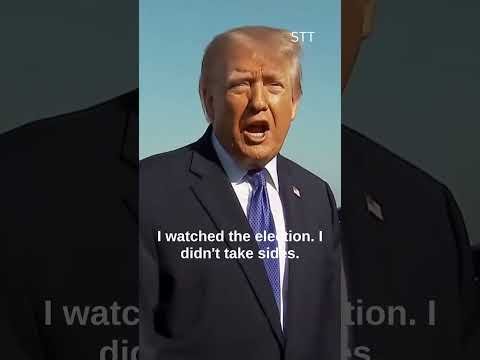
Speaking on Thursday, Trump did not mince words when asked about Brazil’s election results. He flatly called the outcome “a disgrace” and stopped short of acknowledging the legitimacy of the elected government — a significant diplomatic signal from the leader of the world’s most powerful nation.
For those following global politics, this is not entirely surprising. Trump has a well-documented history of questioning election results — both at home and abroad — particularly when the outcomes favour left-leaning candidates.
Why Should Nigerians Pay Attention?
You might be wondering, “Wetin concern me with Brazil election?” — but the truth is, this matters more than you think.
Nigeria is no stranger to election controversies. From the tribunal battles that followed the 2023 general elections to long-standing debates about electoral integrity, Nigerians understand better than most how fragile democratic processes can be — and how quickly outside voices can either strengthen or destabilise them.
When a leader of Trump’s global influence begins casting doubt on another country’s democratic process, it sets a dangerous precedent. Today it is Brazil. Tomorrow, it could be any emerging democracy — including Nigeria.
The Bigger Picture: Democracy Under Pressure
Across the world, democratic institutions are facing increasing scrutiny. In Brazil, just as we saw in Nigeria, losing parties and their supporters have often refused to accept results, sometimes citing irregularities — whether proven or not.
What makes Trump’s comments particularly loaded is the power imbalance involved. When the US President questions your election, it can:
– Embolden opposition groups to escalate protests or legal battles
– Shake investor confidence, which can affect the economy
– Complicate diplomatic relations between the two nations
– Give ammunition to those who wish to undermine democratic norms
The Left vs. Right Battle Goes Global
Brazil’s political climate mirrors a broader global tension between conservative and progressive movements. Trump, a flag-bearer of right-wing populism, has made no secret of his disdain for leftist governments in Latin America and beyond.
This ideological war is increasingly playing out not just in elections, but in the narratives built around them. And as we have seen in Nigeria’s own political landscape, narrative is powerful — sometimes more powerful than facts.
What Happens Next?
The international community will be watching closely to see whether Trump moves beyond words into concrete diplomatic action — such as withholding recognition of Brazil’s government or imposing economic pressure.
For now, his comments remain a statement of opinion rather than official US policy. But in today’s world, a presidential tweet or press conference comment can move markets, inflame tensions, and reshape alliances overnight.
The bottom line? Whether you are in Lagos, Abuja, or Port Harcourt, the health of democracy anywhere in the world is a matter that should concern us all. When powerful leaders begin to treat elections as legitimate only when their preferred side wins, it is democracy itself — not just one country’s politics — that suffers.
What do you think? Should world leaders comment on other countries’ elections? Drop your thoughts in the comments below.
Read more about this on buzzUp9ja
Be the first to comment