
Meta’s sweeping action against West African fraud networks sends a strong warning to online scammers — and raises important questions for legitimate Nigerian digital users.
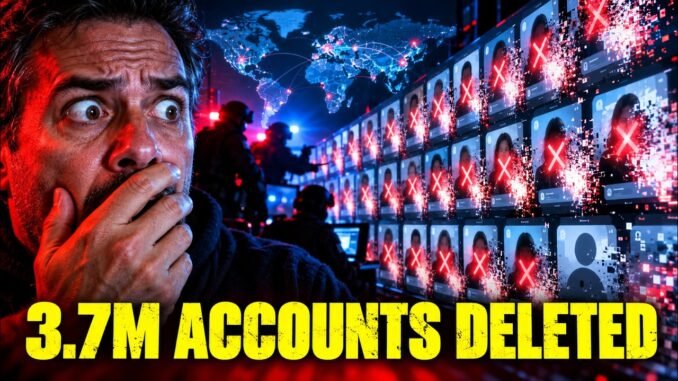
In a move that has sent shockwaves across the West African digital landscape, tech giant Meta has removed a staggering 3.7 million Facebook and Instagram accounts as part of a coordinated global crackdown on online fraud networks — and Nigeria and Ghana are squarely at the centre of it.
The operation, which represents one of the largest single takedowns of fraudulent accounts in Meta’s history, specifically targeted organised scam networks operating out of West Africa, putting both countries firmly under the international spotlight.
What Exactly Happened?
Meta launched a sweeping, coordinated global operation aimed at dismantling online fraud networks that have been using Facebook and Instagram as their primary hunting grounds. The result? Millions of accounts wiped out in one fell swoop.
Nigeria and Ghana were identified as major hubs for these fraudulent activities, with scam networks operating sophisticated schemes designed to defraud unsuspecting victims — many of them abroad — out of their hard-earned money.
The scale of this crackdown is no small thing. When a company like Meta, which controls two of the world’s most-used social media platforms, takes this kind of decisive action, it signals that online fraud originating from West Africa has reached a level that can no longer be ignored on the global stage.
Why Nigeria and Ghana?
Let us be honest — this is not entirely surprising news for many Nigerians. The infamous “Yahoo Yahoo” culture, a term many Nigerians use to describe internet fraud, has long been an open secret. From the classic “419” advance-fee fraud that put Nigeria on the global map decades ago, to the more sophisticated romance scams and investment fraud schemes of today, online scamming has unfortunately become deeply embedded in certain corners of Nigerian and Ghanaian society.
For young people facing limited economic opportunities, sky-high unemployment rates, and a system that often feels rigged against them, the temptation of quick money through online schemes has proven difficult to resist for some. Ghana faces similar socioeconomic pressures, and its growing internet penetration has made it equally attractive as a base for these operations.
However, it is crucial to state clearly: the actions of a criminal minority do not — and should not — define entire nations of hardworking, honest, and innovative people.
What This Means for Everyday Nigerians
Here is where things get tricky for ordinary, law-abiding Nigerians who use Facebook and Instagram for legitimate purposes — whether for business, connecting with family in the diaspora, or simply staying informed.
Mass account removals of this nature carry real risks of collateral damage. Innocent business owners running their trade on Facebook Marketplace, content creators building their brands on Instagram, and everyday users could potentially find their accounts caught in Meta’s wide net.
If you are a legitimate Nigerian user, here is what you should keep in mind:
– Verify your account where possible to distinguish yourself as an authentic user
– Avoid any activity that could be flagged as suspicious — including bulk messaging, unusual login patterns, or sudden spikes in friend requests
– Keep your business pages compliant with Meta’s community standards
– Document your legitimate business activities in case you ever need to appeal an account removal
The Bigger Picture: Nigeria’s Digital Reputation at Stake
Beyond the immediate account removals, this crackdown raises a more uncomfortable conversation that Nigerians need to have amongst themselves — the long-term damage that online fraud is doing to Nigeria’s digital reputation and economic future.
Nigeria is home to one of Africa’s most vibrant tech ecosystems. Lagos has been dubbed the “Silicon Savannah” of West Africa, with startups like Flutterwave, Paystack, and Andela putting Nigerian tech talent on the world map. Nigerian entrepreneurs, freelancers, and digital professionals are competing and winning on the global stage every single day.
Yet every time Nigeria makes international headlines for online fraud, it undermines the legitimate work of millions of hardworking Nigerians. It makes it harder for Nigerian businesses to build trust with international partners. It creates barriers for Nigerian freelancers on global platforms. It paints an unfair picture of a nation that is so much more than its fraudsters.
What Needs to Change?
The responsibility here does not lie with Meta alone. A multi-pronged approach is needed:
From the Government:* Stronger enforcement of cybercrime laws, including the **Cybercrime (Prohibition, Prevention, Etc.) Act**, needs to happen with more consistency. The Economic and Financial Crimes Commission (*EFCC) must continue to pursue and prosecute cybercriminals — not just for optics, but as a genuine deterrent.
From Communities: The glorification of “Yahoo boys” in music, social media, and popular culture needs to be challenged. When fraudsters are celebrated as role models, it sends a dangerous message to young Nigerians about what success looks like.
From Tech Platforms: Meta and other platforms must ensure their crackdowns are surgical enough to target actual criminals without unfairly penalising the millions of legitimate African users who depend on these platforms for their livelihoods.
From Individuals: Every Nigerian with a voice — online or offline — has a role to play in changing the narrative. Reporting suspicious accounts, refusing to celebrate fraudsters, and loudly championing honest success stories all make a difference.
The Bottom Line
Meta’s removal of 3.7 million accounts is a significant moment — both as a wake-up call and as a reminder of the stakes involved. Nigeria and Ghana must reckon honestly with their roles in the global online fraud ecosystem, not to accept a shaming narrative from outside, but because the cost of inaction falls hardest on the majority of honest citizens who bear the consequences of a tarnished national reputation.
Nigeria is a nation of 200 million stories — and the vast majority of them are stories of hustle, creativity, resilience, and integrity. It is time those stories drowned out the noise of the fraudsters.
What do you think about Meta’s crackdown? Share your thoughts in the comments below.
Stay tuned for more on buzzUp9ja
Be the first to comment