

Summary: A Kogi State government aide has fired back at critics of Muslims praying on roads, pointing out that Christian street preachers are equally guilty of public inconvenience. Here’s the full gist.
—
A viral video of a woman aggressively calling out Muslims for blocking roads during prayers has sparked a fresh round of religious debate online — and this time, a government official is weighing in with a perspective that has many Nigerians nodding in agreement.
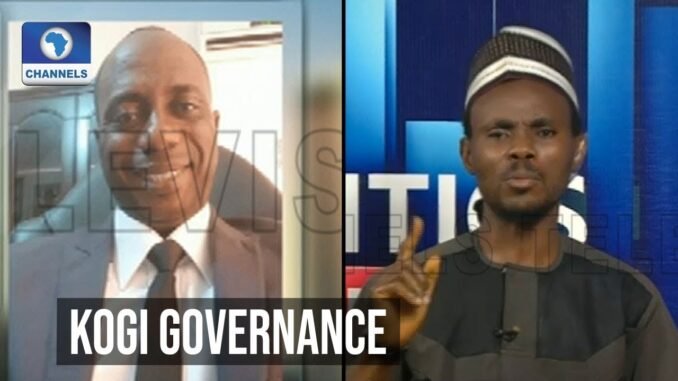
Promise Emmanuel, the Senior Special Assistant to the Kogi State Governor on Cybercrime — popularly known as Kogi Rebel — has fired back at those criticizing Muslims for praying on public roads, reminding everyone that Christians are not exactly innocent when it comes to causing public inconvenience in the name of religion.
“Oga, Shine Your Eyes First”
In his reaction to the trending video, Kogi Rebel made a point that many Nigerians have quietly thought about but rarely say out loud: both sides dey do am.
While the woman in the viral clip was clearly frustrated about Muslims blocking roads for prayers — a situation many city dwellers in Lagos, Abuja, Kano, and other major Nigerian cities are all too familiar with — the aide pointed out that Christian street preachers who show up uninvited with microphones and loudspeakers are equally guilty of disrupting public peace.
His message was simple: you cannot condemn one religion for public disruption while conveniently ignoring the same behaviour from another.
A Very Nigerian Problem
Let’s be honest — this is a conversation that has been long overdue in Nigeria.
From the early morning church vigils* rattling entire neighbourhoods, to *Muslim prayers spilling onto major roads and bringing traffic to a standstill, Nigerians of all faiths have had to navigate the delicate dance of religious expression in shared public spaces.
Street evangelists who board danfo buses without permission and begin preaching at the top of their voices. Mosque loudspeakers blaring the call to prayer at 5am. Church crusades that turn residential streets into makeshift campgrounds for days.
Sound familiar? Of course it does.
The Double Standard Must Stop
What makes Kogi Rebel’s comment resonate is that it cuts through the usual “my religion good, your religion bad” narrative that often dominates these conversations online.
Nigeria is home to roughly equal numbers of Christians and Muslims — and both communities must learn to coexist with mutual respect. That means holding a mirror up to your own practices before pointing fingers at someone else.
Criticising Muslims for road prayers while celebrating aggressive street evangelism is the very definition of double standards — and Nigerians, known for their sharp sense of justice, are increasingly calling it out.
The Bigger Conversation
Beyond the religious back-and-forth, there is a legitimate civic question here: How do we balance freedom of worship with respect for public space in Nigeria?
Local governments, religious leaders, and communities need to have honest conversations about designated spaces for worship, noise regulations, and road usage — without it turning into a Christians-versus-Muslims debate.
Because at the end of the day, whether you are shouting “Hallelujah” on a bus nobody asked you to board, or spreading prayer mats across a busy road, the inconvenience to your fellow Nigerian is the same.
As Kogi Rebel rightly implied — the street belongs to all of us.
—
What do you think? Should there be stricter regulations on public religious activities in Nigeria? Drop your thoughts in the comments below.
Follow for more news on buzzUp9ja
Be the first to comment