

Summary: Nigerians are among 141 people injured after Iran launched a massive missile and drone attack on the UAE, killing six people. Stranded Nigerians now appeal for evacuation plans.
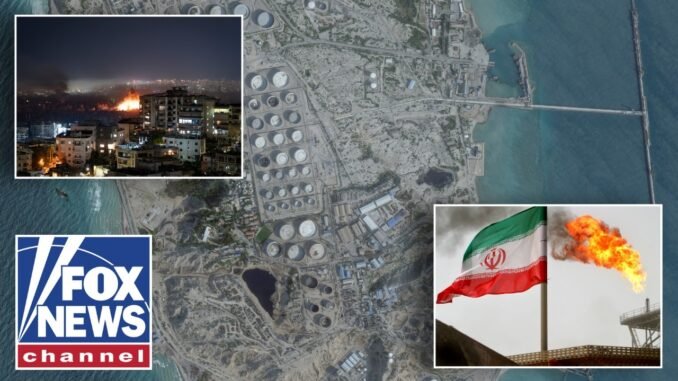
Nigerians living and working in the United Arab Emirates have been caught in the crossfire of escalating tensions in the Middle East, with several sustaining injuries following another deadly Iranian missile attack on Saturday, March 14, 2026.
The latest assault, which claimed six lives and left 141 people injured, has raised fresh concerns about the safety of thousands of Nigerian professionals and workers residing in the Gulf nation.
Massive Attack Overwhelms UAE Defences
According to the UAE Ministry of Defence, Iranian forces launched a coordinated attack involving nine ballistic missiles and 33 unmanned aerial vehicles (drones) targeting various locations across the Emirates.
While UAE air defence systems managed to intercept many of the incoming projectiles, some struck their targets, resulting in casualties and damage to infrastructure.
“The UAE air defence systems on March 14 engaged nine ballistic missiles and 33 UAVs launched from Iran,” the ministry confirmed in an official statement.
The ministry further revealed the scale of Iranian aggression since hostilities began: “Since the onset of this blatant Iranian aggression, UAE air defences have engaged 294 ballistic missiles, 15 cruise missiles, and 1,600 UAVs launched from Iran.”
Nigerians Among the Injured
The attack killed citizens from the UAE, Pakistan, Nepal, and Bangladesh. However, the injury toll painted a more diverse picture, with nationals from over 25 countries affected—including Nigeria.
Other injured parties include residents from Egypt, Sudan, Ethiopia, the Philippines, Pakistan, Iran, India, Bangladesh, Sri Lanka, Azerbaijan, Yemen, Uganda, Eritrea, Lebanon, Afghanistan, Bahrain, Comoros, Turkey, Iraq, Nepal, Oman, Jordan, Palestine, Ghana, Indonesia, and Sweden.
While the exact number of Nigerian casualties remains undisclosed, the inclusion of Nigerians in the injury list has sparked anxiety back home among families with loved ones in the Gulf region.
Why Is Iran Attacking the Gulf?
The Iranian strikes are widely believed to be retaliatory actions following recent military operations conducted by the United States and Israel against Iranian targets. Tehran has extended its missile and drone campaigns beyond the UAE to other Gulf nations, including Saudi Arabia and Qatar.
The attacks, which began late Friday and continued into Saturday, have caused significant infrastructural damage and raised alarm among neighbouring countries who have lodged formal protests against Iran’s aggression.
Stranded Nigerians Cry Out for Help
With the security situation in the Gulf deteriorating rapidly, Nigerians stranded in the UAE and other affected countries have issued urgent appeals to the Federal Government.
Many are calling for the Nigerian government to prepare evacuation flights and contingency plans should the conflict escalate further, putting their lives at greater risk.
The large Nigerian diaspora community in the UAE—comprising professionals in healthcare, aviation, hospitality, engineering, and other sectors—now faces an uncertain future as missiles continue to rain down on their adopted home.
As of press time, the Nigerian Ministry of Foreign Affairs had not issued an official statement regarding evacuation plans or safety measures for citizens in the region.
What This Means for Nigeria
The attack underscores the vulnerability of Nigerian workers abroad, particularly in conflict-prone regions. With thousands of Nigerians employed across the Gulf states, the Federal Government may need to reassess its citizen protection strategies and diplomatic engagement in the Middle East.
For now, families back home can only wait anxiously for news of their loved ones while hoping that diplomatic efforts will de-escalate the situation before more lives are lost.
Stay tuned for updates as this story develops.
Check buzzUp9ja for more updates
Be the first to comment