
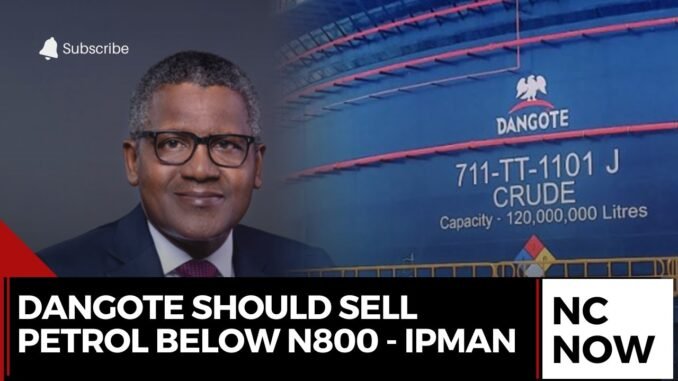

The Independent Petroleum Marketers Association of Nigeria is calling on Abuja to take action as Nigerians continue to groan under the weight of high fuel costs
—
The Independent Petroleum Marketers Association of Nigeria (IPMAN) has thrown its weight behind everyday Nigerians, appealing to the Federal Government to wade into the commercial operations of the Dangote Petroleum Refinery with one clear goal — bringing down the pump price of fuel across the country.
The Cry From the Marketers
For millions of Nigerians, the current state of fuel prices is nothing short of a daily struggle. From the okada rider in Kano to the bus driver navigating Lagos traffic on Third Mainland Bridge, the cost of petrol has continued to bite hard. IPMAN, one of the most prominent voices in Nigeria’s downstream petroleum sector, is now saying enough is enough — and they are pointing directly at the Federal Government to act.
The association is urging Abuja to provide some form of intervention in how the Dangote Refinery — Africa’s largest single-train refinery — conducts its business, particularly around pricing. The argument is straightforward: if the government steps in strategically, fuel prices could come down significantly, offering much-needed relief to ordinary Nigerians.
Why Dangote Refinery Matters
When Aliko Dangote’s mega refinery in Lekki, Lagos finally began operations, many Nigerians heaved a sigh of relief, believing that the days of importing petrol at outrageous costs were numbered. The refinery, with a capacity to process 650,000 barrels of crude oil per day, was supposed to be a game-changer — and it still very much can be.
However, the reality on the ground has shown that having a refinery on home soil does not automatically translate to cheaper fuel at the pump. Market forces, pricing structures, and commercial decisions all play a role in what Nigerians eventually pay when they pull up at a filling station.
This is where IPMAN believes the Federal Government must come in — not to undermine private enterprise, but to find a middle ground that protects the average Nigerian without killing the business incentive that makes the refinery viable.
What Kind of Intervention Are We Talking About?
While the specifics of IPMAN’s proposed intervention model are still being fleshed out, the core idea revolves around the government using its leverage — whether through policy, subsidies, or direct negotiation — to ensure that Nigerians benefit from having a world-class refinery right in their backyard.
Some options that industry watchers have suggested include:
– Subsidised crude supply to the refinery to reduce production costs
– Government-negotiated pricing agreements between the refinery and marketers
– Tax incentives or waivers that could trickle down to consumers at the pump
– Stronger regulatory frameworks that balance profit margins with public interest
The Bigger Picture
Nigeria’s fuel price situation didn’t happen overnight. The removal of the petrol subsidy — a bold but painful policy decision by President Bola Tinubu’s administration — sent prices soaring and left many Nigerians reeling. While the government has maintained that the subsidy removal was necessary to save the economy from collapse, the human cost has been enormous.
For market women in Onitsha, civil servants in Abuja, and farmers in Benue trying to power irrigation equipment, every naira added to the pump price is a naira taken from feeding their families or running their businesses.
IPMAN’s appeal is therefore not just a technical industry request — it is a human plea wrapped in economic language.
The Ball Is in FG’s Court
The Federal Government now faces a delicate balancing act. On one hand, it must respect the commercial interests of a private investor like Dangote who has put billions of dollars into building a refinery that could transform Nigeria’s energy landscape. On the other hand, it has a constitutional and moral duty to ensure the welfare of its citizens.
IPMAN’s message is clear: the two goals are not mutually exclusive. With the right intervention strategy, the government can support the Dangote Refinery’s growth while simultaneously making fuel more affordable for everyday Nigerians.
As the debate continues, one thing remains certain — Nigerians are watching, waiting, and hoping that this time, the government will act in their interest.
—
What do you think? Should the Federal Government intervene in the Dangote Refinery’s pricing model? Drop your thoughts in the comments below.
Check for more news on buzzUp9ja
Be the first to comment