

Two nephrologists among four suspects nabbed as authorities crack down on illegal organ trafficking ring
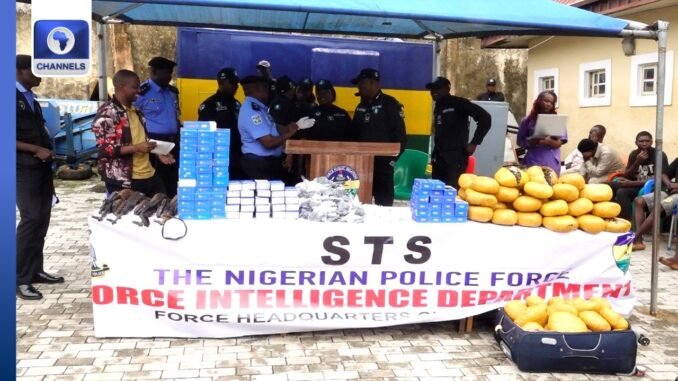
The Nigeria Police Force has taken a bold step in the fight against human organ trafficking, parading four suspects — including two kidney specialists — in connection with an alleged organ-harvesting syndicate operating in Nasarawa State.
The development, reported by Channels Television, has sent shockwaves across the country, raising serious questions about the ethics of some medical professionals and the vulnerability of ordinary Nigerians to exploitation by those they trust with their lives.
Who Are the Suspects?
Among the four individuals paraded by the police are two nephrologists — doctors who specialise in kidney care and treatment. The inclusion of medical professionals in this alleged criminal network is perhaps the most disturbing aspect of the story. These are individuals who took an oath to protect life, yet stand accused of being part of a syndicate that allegedly harvests human organs, reportedly for profit.
A Growing Menace
Organ trafficking is not new to Nigeria or the African continent, but cases involving licensed medical practitioners bring a chilling dimension to the crime. Vulnerable Nigerians — often desperately poor, unemployed, or lured with promises of life-changing money — are frequently the victims of such schemes. Some are deceived entirely, while others may initially consent without fully understanding the dangers involved.
In a country where the cost of living continues to bite hard and many citizens struggle daily to make ends meet, the desperation that makes people easy targets for these syndicates cannot be ignored.
Nasarawa State: A Hotspot?
The fact that this syndicate was allegedly operating in Nasarawa State is significant. Located in Nigeria’s North-Central geopolitical zone and sharing a border with the Federal Capital Territory, Nasarawa has increasingly grown in population and commercial activity. However, like many states, it also grapples with poverty, limited healthcare infrastructure, and gaps in regulatory oversight — conditions that criminal networks often exploit.
What This Means for Nigerians
This arrest should serve as a wake-up call — not just for law enforcement, but for everyday Nigerians:
– Be wary of too-good-to-be-true offers involving medical procedures or “donation” programmes that promise large sums of money.
– Verify medical facilities and practitioners before undergoing any procedure, no matter how routine it may seem.
– Report suspicious activity to the Nigeria Police Force or the National Agency for the Prohibition of Trafficking in Persons (NAPTIP).
The Legal Side
Organ trafficking in Nigeria is a serious criminal offence. The National Health Act of 2014 prohibits the commercial trade of human organs, tissues, or blood. Offenders can face significant prison terms. Beyond the law, however, the moral weight of exploiting vulnerable people for body parts is something no fine or sentence can fully address.
Final Thoughts
The parade of these suspects — doctors included — is a reminder that evil does not always wear an obvious face. Sometimes, it comes dressed in a white coat and a stethoscope. Nigerians must remain vigilant, communities must look out for one another, and the authorities must ensure that justice is not only served swiftly in this case, but that it sends a strong deterrent message to others who may be running similar operations in the shadows.
As this case unfolds, Nigerians will be watching closely. The victims deserve justice. The profession of medicine deserves to be protected from those who abuse it. And every Nigerian deserves to live without fear of being preyed upon by the very people meant to heal them.
Stay with us for updates as this story develops.
For more information, check buzzUp9ja
Be the first to comment