
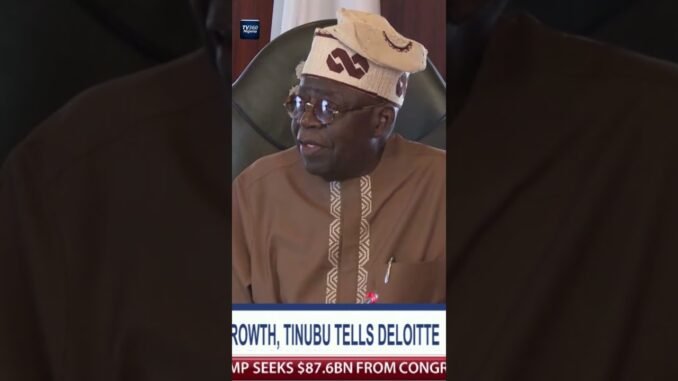

Summary: President Tinubu insists Nigeria’s economy is on the right track despite the hardship Nigerians are feeling from his administration’s bold reforms since 2023. Here’s what you need to know.
Nigeria’s President Bola Tinubu has assured Nigerians that the country’s economy is making serious foundational progress, even as millions of citizens continue to feel the pinch of the sweeping reforms his administration launched after taking office in May 2023.
“The Pain Is Real, But So Is the Progress”
Let’s be honest — since President Tinubu stepped into Aso Rock and almost immediately removed the petrol subsidy and floated the naira, life has not been easy for the average Nigerian. From Agege to Asokoro*, from *Onitsha traders to Kano marketers, the cost of living has gone through the roof. Transport fares, food prices, school fees — everything has been climbing like it is in a competition.
But the President is asking Nigerians to hold on, insisting that the foundation being laid today will deliver results tomorrow.
What the Government Is Saying
According to a statement from the presidency, President Tinubu acknowledged that the reform process has not been painless — but stressed that short-term suffering is the price Nigeria must pay for long-term economic stability.
The administration points to a number of indicators it believes show the economy is turning a corner:
– Increased foreign investment interest in Nigeria
– Improved revenue generation following subsidy removal
– A more unified exchange rate aimed at restoring confidence in the naira
– Ongoing infrastructure investments in roads, energy, and agriculture
Nigerians Are Feeling It — And They’re Speaking Up
No be small thing. Many Nigerians have not been quiet about how tough things have become. Social media has been buzzing, market women are lamenting, and transport workers have gone on strike more than once. The question on everyone’s lips remains: “When will ordinary Nigerians begin to feel the good side of these reforms?”
That is a fair question — and one the Tinubu administration knows it must answer, not with words alone, but with visible, tangible results on the ground.
Is There Any Light at the End of the Tunnel?
Economists and analysts have offered mixed reviews. Some agree that the structural reforms — painful as they are — were long overdue and necessary to fix Nigeria’s broken economic model that had survived on subsidies and artificial exchange rates for far too long.
Others warn that without deliberate social safety nets for the poorest Nigerians, the reforms risk creating more poverty before they create prosperity.
The government has pointed to initiatives like the conditional cash transfer programmes and student loan schemes as part of efforts to cushion the effects — though many argue these interventions have not reached enough people fast enough.
The Bottom Line
President Tinubu’s message is essentially this: Nigeria is not going backwards — it is going through the difficult but necessary process of getting its economic house in order.
Whether Nigerians accept that message will depend largely on how quickly the dividends of these reforms show up in their daily lives — cheaper food, more jobs, stable prices, and a naira that doesn’t keep losing value.
One thing is certain: Nigerians are watching, waiting, and hoping. The government has promised progress. Now it must deliver it.
What do you think? Is Nigeria’s economy truly on the right path, or is the government just managing expectations? Drop your thoughts in the comments below.
For more information, check buzzUp9ja
Be the first to comment