
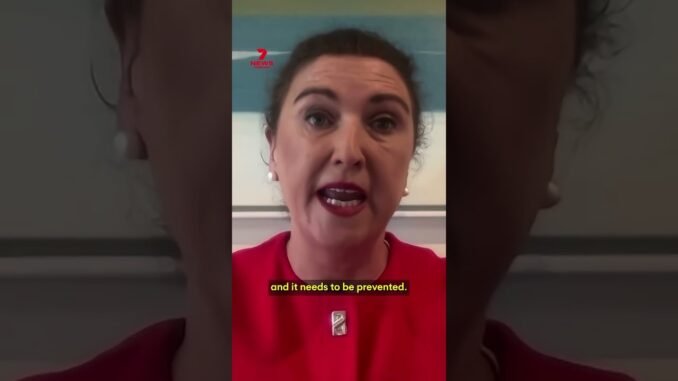

A devastating new report reveals that concerned parties raised alarms about a troubled mother three separate times before the unthinkable happened — yet the system failed to protect an innocent child.
—
A deeply troubling story has continued to shake the world as new details emerge about the tragic fate of a little boy who was allegedly k!lled and partly eaten by his own mother. What makes this case even more painful is the revelation that the system had multiple opportunities to intervene — and did nothing.
According to new reports, the boy’s mother — a 32-year-old woman — had been referred to authorities three separate times* over serious concerns that she was suffering from *drug-induced psychosis. Yet despite these repeated warnings, no meaningful action was taken to protect the child.
Three Times They Were Warned — Three Times They Looked Away
This is the part of the story that should make every parent, every government official, and every child welfare advocate deeply uncomfortable. Three times. Not once. Not twice. Three times, concerned individuals flagged this woman’s deteriorating mental state to the relevant authorities.
Drug-induced psychosis is not a condition to take lightly. It can cause a person to completely lose touch with reality — making them capable of actions they would never consider in a normal state of mind. When someone in that condition is responsible for the welfare of a young child, the stakes could not be higher.
Yet the system — the very structure put in place to protect the most vulnerable — dropped the ball completely.
A Systemic Failure That Cost a Child His Life
This case, while happening abroad, speaks to a universal truth that Nigerians know all too well: our systems for protecting children are dangerously weak. Whether it is child abuse happening behind closed doors in Lagos, neglect in rural communities, or mental health crises going untreated in Abuja — vulnerable children too often fall through the cracks.
In Nigeria, mental health awareness is still largely stigmatised. Many families quietly manage relatives who are clearly suffering from serious psychological conditions, without access to proper medical care or intervention. The result is that children in those households are left exposed to potential danger with no safety net.
The Questions That Demand Answers
This heartbreaking case raises questions that authorities in every country — including Nigeria — must answer honestly:
– How many times must a warning be raised before action is taken?
– What happens to children living with parents experiencing mental health crises?
– Are our child protection services equipped and empowered to act swiftly?
– Is there enough investment in mental health infrastructure to catch people before they reach a breaking point?
Protecting Our Children Must Be a Priority
The life of this precious little boy cannot be brought back. But his story must not be told in vain. It must serve as a wake-up call — to governments, communities, neighbours, and families everywhere.
In our Nigerian communities, we often say “it takes a village to raise a child.” But a village that sees danger coming and does nothing is no village at all. If you ever notice a child in a potentially dangerous situation — whether due to a parent’s mental illness, substance abuse, or any other concerning behaviour — speak up, report it, and keep pressing until someone listens.
Every child deserves to be safe. Every warning deserves to be taken seriously.
—
If you are concerned about the welfare of a child in Nigeria, you can contact the National Agency for the Prohibition of Trafficking in Persons (NAPTIP) or reach out to your local child welfare authorities.
Get more info on buzzUp9ja
Be the first to comment