

Summary: The Nasarawa State Government has officially banned football matches and other games on school premises, citing persistent damage to public infrastructure. Here’s everything you need to know.
—
If you grew up in Nigeria, you already know that no amount of “stay off the grass” signage could ever stop a group of Nigerian boys from turning any available open space into a football pitch. From dusty school compounds to church parking lots, the beautiful game finds a way. But for students in Nasarawa State, those lunchtime kickabouts on school grounds may now be a thing of the past.
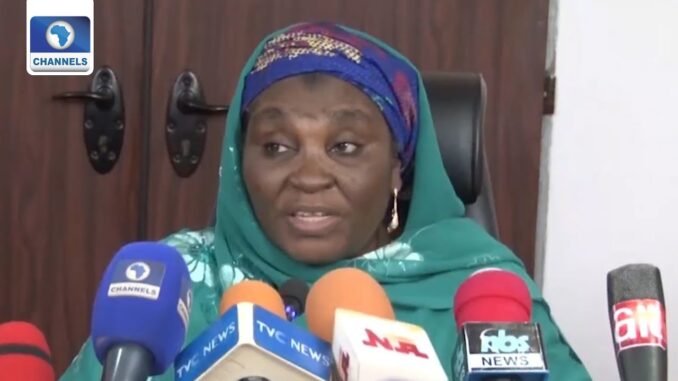
The Nasarawa State Government has officially placed a ban on football matches and other sporting activities within school premises. The directive, which came through the office of the Senior Special Assistant on Education, points to one recurring headache — the destruction of public facilities and school infrastructure that often follows these matches.
—
So, What Exactly Is Going On?
School authorities and government officials in Nasarawa have grown increasingly frustrated with the damage being caused to school buildings, windows, fences, and other public structures as a result of football and related games being played on school grounds.
Rather than continue patching up the damage bill, the state government has decided to draw the line — banning such activities from school premises entirely.
—
Nigerians React: Necessary Policy or Killing Young Dreams?
As expected, this kind of policy is bound to stir conversation. On one hand, the destruction of school property is a genuine concern. Many public schools in Nigeria already struggle with inadequate infrastructure, and having students further damage the little that exists is not something any responsible government can overlook.
On the other hand, critics will argue that football is more than just a game in Nigeria — it is a career path, a mental health outlet, and for many young people, the one thing that keeps them engaged and off the streets. Banning it without providing alternative, designated spaces for students to play could do more harm than good.
—
The Bigger Question Nobody Is Asking
Rather than an outright ban, many education stakeholders believe the smarter solution would be to invest in proper sporting facilities within schools — dedicated pitches, goal posts, and open courts that can contain the energy of Nigerian youth without threatening school buildings.
After all, if we are serious about discovering the next Victor Osimhen or Asisat Oshoala, we cannot afford to be shutting down the very spaces where raw talent is first discovered.
—
What This Means for Students in Nasarawa
For now, students in Nasarawa State are expected to comply with the directive. School administrators have been tasked with enforcing the ban, and it remains to be seen what penalties — if any — will be handed down to students or schools that violate it.
Parents, teachers, and students alike will be watching closely to see whether this ban comes with any alternative plans to keep Nigerian children active, healthy, and football-ready — just somewhere other than the school compound.
—
Stay with buzzUp9ja for more updates on education and policy news across Nigeria.
Be the first to comment