
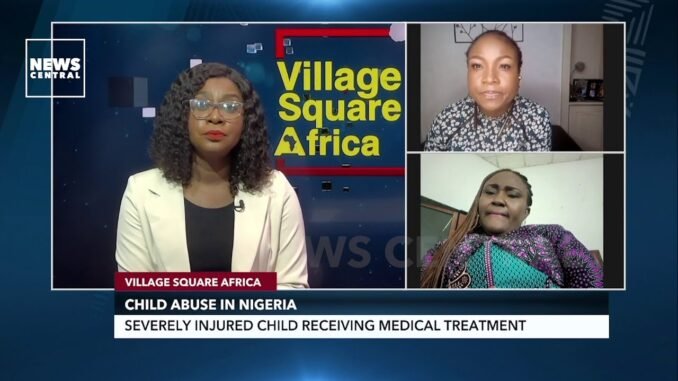

A heated conversation has erupted on Nigerian Twitter after a user shared her strong views about the controversial practice of using underage children as domestic workers.
Vivian Ifeoma, the Twitter user behind the viral post, didn’t mince words when she declared that anyone willing to employ a child as a house help is inherently capable of abusing them. Her statement has struck a nerve in a country where the practice of taking in young relatives or children from less privileged backgrounds as domestic workers remains common, particularly among middle and upper-class families.
The Reality of Child Domestic Work in Nigeria
The issue Vivian raised touches on a deeply entrenched cultural practice that many Nigerians have normalized over generations. It’s not uncommon to find families who take in children – often from rural areas or less affluent relatives – under the guise of providing them with education and a better life, only for these children to end up performing household chores from dawn to dusk.
While some families genuinely fulfill their promise of education and proper care, countless stories have emerged over the years of abuse, exploitation, and maltreatment. From physical abuse to denial of education, inadequate feeding, and in extreme cases, sexual abuse, the vulnerabilities of these children are often exploited by those who should be protecting them.
Why This Matters Now
Vivian’s statement comes at a time when Nigerians are increasingly questioning traditions and practices that may have been acceptable in the past but are now recognized as harmful. Social media has given voice to many who have experienced or witnessed the mistreatment of child domestic workers, creating a growing awareness of the problem.
The conversation also highlights the power imbalance inherent in these arrangements. A child far from home, dependent on their employers for food, shelter, and sometimes their only chance at education, has little to no power to report abuse or seek help.
The Other Side of the Argument
However, not everyone agrees with Vivian’s blanket statement. Some respondents have pointed out that many families do treat these children well, sending them to school and treating them as part of the family. They argue that in a country with limited social safety nets, this arrangement sometimes provides opportunities for children who would otherwise have none.
Yet critics counter that even in the best scenarios, there’s an uncomfortable power dynamic at play. Why should a child have to work in someone’s home to access education or basic needs?
What Does the Law Say?
Nigerian law, through the Child Rights Act, actually prohibits child labor and exploitation. However, enforcement remains weak, and the practice continues largely unchecked, especially in homes where it’s considered a “family arrangement” rather than formal employment.
Moving Forward
This conversation raises important questions about how Nigerian society can better protect vulnerable children while still addressing the economic realities that make such arrangements appealing to both families and parents.
Perhaps the solution lies in strengthening social welfare systems, enforcing existing child protection laws, and creating genuine opportunities for underprivileged children that don’t require them to trade their childhood for survival.
What’s clear from the passionate responses to Vivian’s tweet is that this is a conversation Nigerians are ready to have. Whether it will translate into meaningful change for the thousands of children currently working in homes across the country remains to be seen.
What do you think? Is there ever a justifiable reason to employ an underage child as a house help? Share your thoughts in the comments.
For more information, check buzzUp9ja
Be the first to comment