
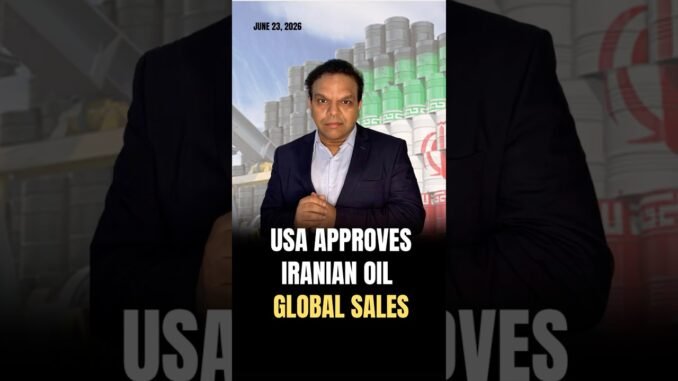

Summary: The United States has authorized Iranian oil sales for 60 days as part of broader peace negotiations. Here’s what this means for global oil markets and Nigeria’s economy.
The United States has taken a surprising step by issuing a temporary 60-day general license that allows Iran to produce, deliver, and sell crude oil, petrochemicals, and petroleum products until August 21. This move comes as both nations engage in high-stakes discussions toward a comprehensive peace agreement.
What Does This Mean?
For the first time in years, Iranian oil can flow freely into international markets without the threat of American sanctions. The temporary authorization represents a significant shift in US foreign policy toward Tehran and signals potential thawing of tensions that have persisted for decades.
The license specifically covers:
– Crude oil production and export
– Petrochemical products
– Petroleum derivatives
Why Should Nigerians Care?
As Africa’s largest oil producer, Nigeria has a lot at stake when global oil dynamics shift. Iranian oil returning to the market could impact international crude prices, which directly affects our national revenue and economy.
When more oil enters the global market, prices typically soften. This could mean:
Potential Challenges:
– Reduced revenue for Nigeria’s federal budget, which heavily depends on oil sales
– More competition for Nigerian crude in the international market
– Pressure on the naira as foreign exchange earnings from oil decline
Possible Benefits:
– Lower fuel import costs if global prices drop
– Reduced inflation if transportation costs decrease
– More stable global energy markets
The Bigger Picture: Peace Negotiations
This oil authorization isn’t happening in isolation. It’s part of broader diplomatic efforts between Washington and Tehran to resolve long-standing conflicts. The temporary nature of the license—just 60 days—suggests it’s a confidence-building measure while negotiations continue.
If these talks succeed and sanctions are permanently lifted, we could see:
– Significant changes in global oil supply
– New market dynamics for OPEC members, including Nigeria
– Potential shifts in regional power balances in the Middle East
What Happens After August 21?
The key question on everyone’s mind is whether this temporary measure will become permanent. That depends entirely on how peace negotiations progress over the next two months.
If talks succeed, we might see a complete removal of sanctions on Iranian oil. If they stall, the license expires, and restrictions return.
Nigeria’s Strategic Response
For Nigeria, this development underscores the urgent need to:
1. Diversify our economy beyond oil dependency
2. Improve our oil production capacity to remain competitive
3. Strengthen our position within OPEC to manage production quotas effectively
4. Invest in our refining capacity to reduce dependence on fuel imports
The Dangote Refinery coming fully online couldn’t be more timely, as it positions Nigeria to add more value to our crude rather than just exporting it raw.
The Global Energy Chessboard
This US-Iran development is just one piece of a complex global energy puzzle. With Europe seeking alternatives to Russian energy, China’s growing appetite for oil, and the ongoing transition to renewable energy, every move matters.
For oil-dependent economies like ours, staying informed and strategically positioned is crucial.
Bottom Line
While the temporary authorization of Iranian oil sales might seem like distant international news, it has real implications for every Nigerian. From the pump price of petrol to the value of the naira, from government revenue to employment in the oil sector—global oil politics affects our daily lives.
As these peace talks unfold over the next 60 days, we’ll be watching closely. The outcome could reshape the global oil market for years to come, and Nigeria must be ready to adapt and compete in this changing landscape.
The message is clear: our future prosperity cannot rest solely on oil revenues. Economic diversification isn’t just smart policy—it’s survival.
Follow for more international news on buzzUp9ja
Be the first to comment