
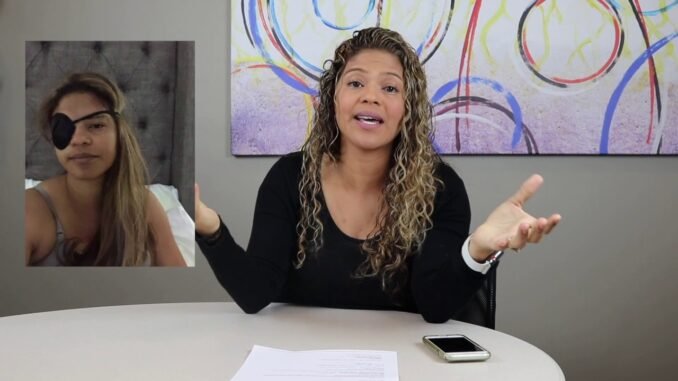

Motherhood is often described as one of life’s greatest blessings, but for many Nigerian women, the postpartum period can bring unexpected health challenges that test their strength and resilience. This is the powerful story of Mariam Duku Agbatse, a Nigerian woman whose journey from devastating illness to complete recovery is touching hearts across social media and giving hope to mothers everywhere.
The Unexpected Health Crisis
After welcoming her bundle of joy, Mariam’s celebration quickly turned to concern when she was diagnosed with two serious medical conditions: Bell’s palsy and high blood pressure. For a new mother already navigating the demands of caring for a newborn, these diagnoses added an overwhelming layer of complexity to what should have been a joyful time.
Bell’s palsy, a condition that causes sudden weakness or paralysis of the facial muscles on one side of the face, can be particularly distressing. Combined with postpartum hypertension (high blood pressure after childbirth), Mariam faced a double battle that many Nigerian women silently fight without adequate awareness or support.
Understanding Postpartum Complications in Nigeria
Postpartum health complications remain a significant concern in Nigeria, where maternal healthcare sometimes lacks the comprehensive follow-up care that new mothers need. High blood pressure after delivery affects a notable percentage of Nigerian women, yet many cases go undiagnosed or untreated due to limited access to healthcare facilities or lack of awareness about warning signs.
Bell’s palsy, though less commonly discussed in our communities, can develop during or after pregnancy due to hormonal changes, stress, and other factors affecting the immune system. The combination of both conditions creates unique challenges that require medical intervention, emotional support, and unwavering determination.
Mariam’s Remarkable Transformation
Taking to social media to share her story, Mariam revealed the dramatic transformation she experienced through her healing journey. Her testimony serves as a beacon of hope for other Nigerian mothers who may be struggling with similar postpartum health issues.
While the specific details of her treatment remain personal, Mariam’s willingness to share her before-and-after story highlights the importance of seeking medical help, maintaining faith during difficult times, and never giving up on recovery—no matter how impossible the situation may seem.
Lessons for Nigerian Mothers
Mariam’s experience offers several important lessons for expectant and new mothers across Nigeria:
1. Postpartum Care is Essential
Many Nigerian women focus intensely on prenatal care but neglect the critical postpartum period. Regular check-ups after delivery can help detect conditions like hypertension early, when they’re most treatable.
2. Don’t Ignore Warning Signs
Symptoms like facial weakness, severe headaches, vision changes, or persistent high blood pressure readings require immediate medical attention. Our culture sometimes encourages women to “endure” discomfort, but some symptoms demand urgent care.
3. Recovery is Possible
Mariam’s transformation proves that even serious postpartum complications can be overcome with proper medical treatment, support systems, and determination.
4. Breaking the Silence Matters
By sharing her story, Mariam helps break the stigma around postpartum health challenges in Nigerian society, encouraging other women to speak up about their struggles and seek help.
The Broader Picture: Maternal Health in Nigeria
Mariam’s story spotlights the broader conversation about maternal healthcare in Nigeria. According to health statistics, Nigeria accounts for a significant portion of global maternal mortality, with many deaths occurring during the postpartum period due to preventable complications.
Access to quality healthcare, health education, and support systems can make the difference between tragedy and triumph. Stories like Mariam’s remind us that with proper care, Nigerian women can overcome even the most daunting postpartum health challenges.
Words of Hope and Encouragement
For mothers currently facing postpartum complications, whether Bell’s palsy, high blood pressure, or other conditions, Mariam’s journey offers this powerful message: You are not alone, recovery is possible, and your story doesn’t end with diagnosis.
The combination of modern medical care, traditional support systems (like the help of family members during ọmụgwọ), faith, and personal resilience can lead to remarkable healing outcomes.
What You Can Do
If you’re a new or expectant mother in Nigeria, consider these practical steps:
– Schedule regular postpartum check-ups, even if you feel fine
– Monitor your blood pressure at home if possible
– Learn the warning signs of postpartum complications
– Build a support network of family, friends, and healthcare providers
– Don’t hesitate to seek medical help when something feels wrong
– Share your health concerns openly with your doctor
For family members and friends of new mothers, your role is crucial. Watch for signs of distress, encourage medical check-ups, provide emotional and practical support, and create an environment where she feels comfortable discussing health concerns.
A Testament to Resilience
Mariam Duku Agbatse’s remarkable transformation from illness to wellness stands as a testament to the resilience of Nigerian women and the power of proper medical care. Her decision to share her journey publicly has already impacted countless women who see themselves in her story.
In a society where women’s health issues are often discussed in whispers, Mariam’s boldness in sharing her experience creates space for honest conversations about postpartum care, maternal health, and the realities many Nigerian mothers face.
As her story continues to inspire mothers across the nation, one thing remains clear: with awareness, access to healthcare, and unwavering determination, Nigerian women can overcome even the most challenging postpartum health complications.
—
Have you or someone you know experienced postpartum health challenges? Remember that seeking medical help is a sign of strength, not weakness. Share this story to encourage other mothers that recovery is possible.
Be the first to comment